


I want to make something clear before people misread this.
This is not an article asking anyone to become more tolerant of suffering.
It is not a call to hold hands, sing kumbaya, or pretend all viewpoints deserve equal moral weight.
And it is definitely not an attempt to excuse policies, rhetoric, or ideologies that people believe contribute to real human harm.
People are suffering in real time. Families are grieving in real time. This is not abstract.
This article exists for a different reason.
I keep seeing people slam into the same wall over and over again online.
Someone posts evidence.
Someone else responds with a Bible verse, a slogan, a talking point, a deflection, or a complete refusal to engage the actual point being made.
Then everybody gets angrier.
Nobody moves.
And afterward everyone leaves feeling either self-righteous, defeated, or emotionally fried.
For a long time I thought the answer was more facts.
If people just saw enough evidence, enough images, enough contradictions, eventually they’d change.
But that’s not always how people work.
Because once beliefs become tied to identity- faith, tribe, politics, belonging, patriotism, morality, fear - they stop functioning like opinions.
They become self-protection.
That’s where cognitive dissonance comes in.
What Cognitive Dissonance Actually Is
Cognitive dissonance is the discomfort people feel when reality and identity collide.
Psychologist Leon Festinger described it as the tension created when someone holds conflicting beliefs, values, or behaviors at the same time.
Most people imagine belief change as rational:
You see evidence.
You update.
You move on.
But that’s rarely how humans work.
Usually when new information threatens identity, people defend first.
They rationalize.
They reinterpret.
They look for exceptions.
They double down.
Not because they’re automatically malicious.
Not because everyone is secretly hateful.
But because changing beliefs can feel like losing community, certainty, moral identity, or even God.
That doesn’t mean all beliefs are equally harmless.
It means understanding the mechanism matters.
Because if your goal is reducing harm instead of simply winning arguments, strategy matters.
Why Christian Zionism Creates Such Intense Dissonance
Christian Zionism, broadly speaking, connects support for the modern State of Israel with biblical prophecy and theological obligation.

For many believers, this isn’t political.
It feels spiritual.
Ideas often include:
– The return of Jewish people to the land fulfills prophecy.
– Supporting Israel aligns with God’s will.
– Blessing Israel brings blessing.
– Israel plays a central role in end-times expectations.
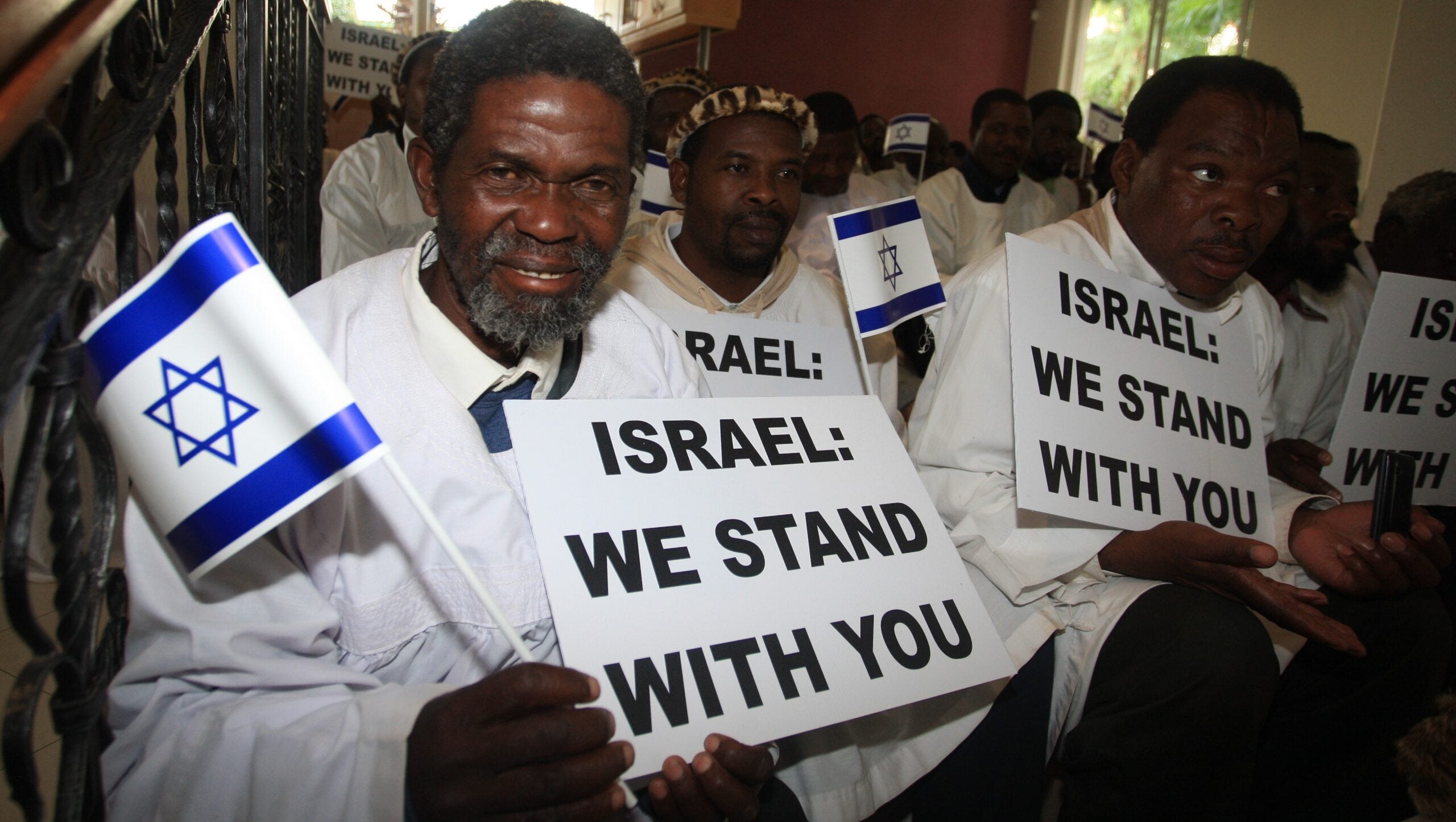
For many Christians, these beliefs also come from sincere concern for Jewish suffering and historical memory.
But tension emerges when these commitments collide with other Christian values.

Jesus talks repeatedly about loving enemies.
Caring for the vulnerable.
Mercy.
Justice.
Neighbor-love.
And when people encounter images of civilian suffering and feel those values colliding internally, something has to give.

Sometimes beliefs expand.
Sometimes they become more rigid.
Sometimes theology changes.
Sometimes empathy gets narrowed.
Sometimes people reject the information.
Sometimes people reject the framework.
The point is not predicting outcomes.
The point is understanding the pressure.
Why Facts Alone Often Don’t Work
This is where I think people get trapped.
We assume if people aren’t changing, they must not know.
So we bring more reports.
More images.
More evidence.
More arguments.
And then we’re shocked when people don’t move.
But if someone experiences disagreement as:
“You’re attacking my faith.”
“You’re attacking my identity.”
“You’re attacking who I am.”
Then evidence becomes threat.
Threat creates defense.
Defense creates entrenchment.
That’s why people repeat things that seem impossible to argue with:
“It’s prophecy.”
“They started it.”
“You’re biased.”
“You’re antisemitic.”
“You don’t understand scripture.”
Sometimes those responses are sincere.
Sometimes they’re protective.
Sometimes they’re strategic.
Sometimes they’re avoidance.
You don’t always know which.
That uncertainty is part of why these conversations feel exhausting.
A Necessary Distinction: Explanation Is Not Exoneration
Understanding psychology does not remove accountability.
This article is not saying harmful beliefs become harmless if they come from fear.
It is not saying consequences disappear because intentions feel sincere.
And it is not saying people should never be challenged.
Some people may reconsider.
Some may not.
Some may decide they support outcomes others consider unacceptable.
Some may realize their values and actions no longer align.
Some may keep their position.
The point is not controlling conclusions.
The point is making them conscious.
Because there is a difference between:
“I examined this honestly and this is still my position.”
And:
“I never had to look directly at what my beliefs produce.”

What Actually Works Better Than Endless Fighting
If your goal is persuasion rather than emotional release, these approaches seem more effective.
Ask questions instead of cornering
People defend conclusions.
They sometimes investigate questions.
Instead of:
“How can you support this?”
Try:
“How do you reconcile this with the values that matter most to you?”
Or:
“What evidence would change your mind?”
Separate identity from belief
People can change positions more easily if changing does not feel like losing themselves.
Use stories carefully
Human stories often bypass abstraction.
Expose contradictions—don’t perform superiority
The strongest pressure isn’t humiliation.
It’s helping someone notice the gap between what they say they value and what they justify.
Know when to disengage
Not every conversation deserves your nervous system.
Confession: Sometimes I Troll
I’m not going to pretend I’m enlightened.
Sometimes I don’t do any of this.
Sometimes somebody is operating in obvious bad faith and I don’t want to persuade.
I want to troll.
I want to match energy.
I want to say something sharp because in that moment it feels satisfying.
And honestly?
That doesn’t make me evil.
Sometimes humor and ridicule are emotional release.
Sometimes public criticism helps establish social norms.
But if I’m being honest—
trolling rarely changes minds.
It changes my mood.
That’s okay to admit.
But I try not to confuse emotional satisfaction with persuasion.
Those are different goals.
Possible Outcomes (And Why That’s Okay)
If you engage differently, a few things might happen.
Some people may quietly start questioning assumptions.
Some may rethink theology.
Some may realize they’ve outsourced thinking.
Some may double down.
Some may openly own beliefs they previously disguised.
Some won’t move at all.
That doesn’t mean the conversation failed.
You are not responsible for changing everyone.
You are responsible for becoming more conscious of what tools you’re using.
Final Thought
The point of understanding cognitive dissonance is not to become softer.
It’s to become more precise.
To stop confusing volume with effectiveness.
To stop assuming every argument is a debate.
To stop mistaking identity defense for intellectual honesty.
And to stop expecting facts alone to move people whose identities feel under threat.
Once you understand the architecture, conversations become less mysterious.
You start seeing patterns.
You stop taking every wall personally.
You stop donating endless energy to unwinnable exchanges.
And maybe—
you become more intentional about where you fight, how you fight, and what you’re actually trying to achieve.
Cognitive Dissonance: A mental conflict that occurs when beliefs are contradicted by new information. This conflict activates parts of the brain involved in personal identity and emotional response to threats. The brain's alarms go off when a person feels threatened on a deeply personal or emotional level, causing them to shut down and disregard any rational evidence that contradicts what they personally regarded as "truth".
Thank you for this very helpful post! Restacking now.