



The United States' 20-year occupation of Afghanistan, concluding in a hurried withdrawal in 2021, stands as one of the most expensive and controversial military endeavors in modern history, draining over $2 trillion from American taxpayers while claiming countless lives. Beneath the headlines of counterinsurgency and nation-building lies a far darker narrative: the military's deliberate complicity in the rampant sexual exploitation of Afghan children. This tolerance, justified under the guise of cultural sensitivity and strategic necessity, allowed Afghan allies to perpetrate atrocities on U.S.-controlled bases. Now, this legacy of impunity has reverberated back home, manifesting in a shocking epidemic of child sex crimes at Fort Bragg in North Carolina, where many Afghanistan veterans are stationed. Through policy loopholes, suppressed reports, and a culture of silence, the military has shielded abusers abroad and at home, prioritizing mission objectives over human rights and justice.
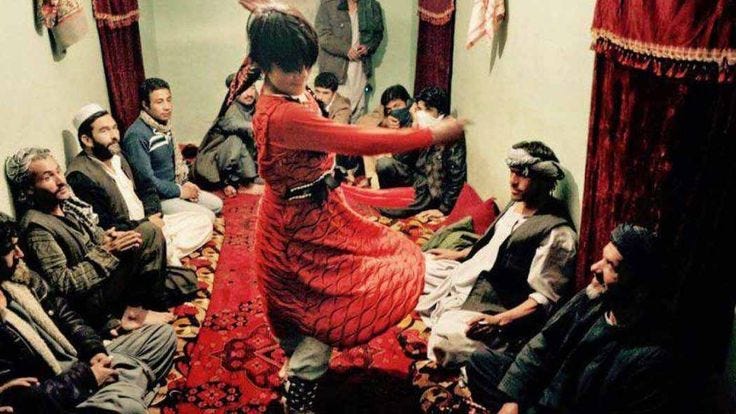
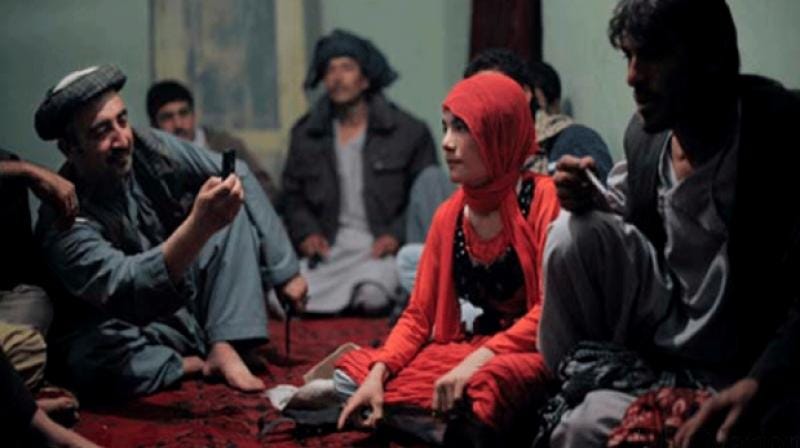
Bacha bazi, meaning "boy play," is a predatory practice where powerful men abduct young boys, often from impoverished families, force them into feminine attire, make them dance at gatherings, and subject them to repeated sexual assaults. While it has historical ties to certain Pashtun customs, it ballooned during times of chaos. In the 1980s, amid the Soviet invasion, U.S.-backed Mujahideen fighters, empowered by a surging opium trade that leaped from 100 tons to 2,000 tons annually by 1990, normalized the abuse in a lawless environment. The Taliban, emerging in the mid-1990s, outlawed it as a capital crime, curbing opium production to 185 tons by 2001 and bolstering their popularity by positioning themselves as defenders against such depravity.
The U.S. invasion in 2001 shattered this fragile restraint. Partnering with the Northern Alliance and rebuilding Afghan security forces, American forces inadvertently or knowingly revived the practice. Warlords and commanders, flush with U.S. weapons and funding, flaunted their "dancing boys." A leaked 2010 diplomatic cable exposed U.S. contractor DynCorp procuring these boys for Afghan police events, where they were auctioned for sexual exploitation. By 2009, the Department of Defense acknowledged "coercive sexual relationships" on shared bases, with American soldiers recounting nightly screams from boys chained and assaulted in adjacent compounds. A 2021 State Department assessment confirmed a systemic "pattern of sexual slavery on government compounds" involving Afghan National Police, local militias, and pro-government forces, all beneficiaries of U.S. training and aid.
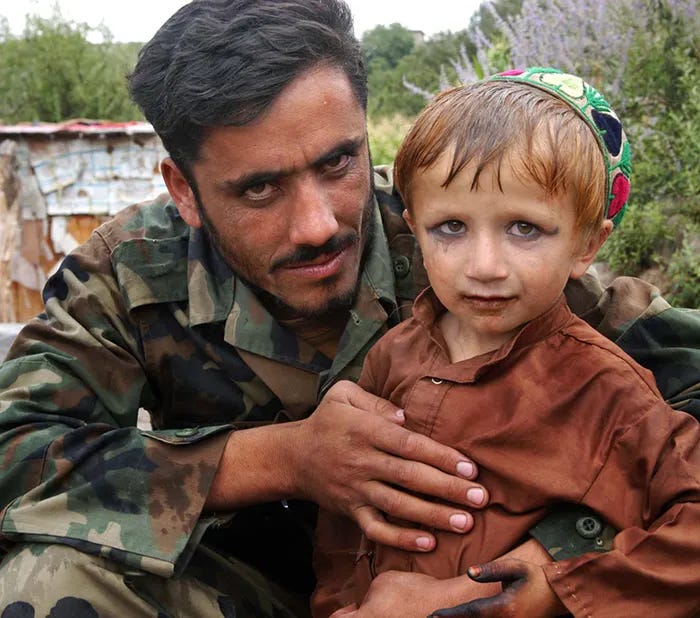
The resurgence fueled Taliban propaganda, painting the U.S. as enablers of corruption and moral decay. Boys as young as 8 were kidnapped, adorned in makeup and bells, and passed among abusers. Perpetrators included high-ranking officials in the Afghan National Army and police, who faced no repercussions due to their alliance with American forces. This not only terrorized Afghan communities but also eroded trust in the occupation, as locals witnessed foreign troops standing idly by.
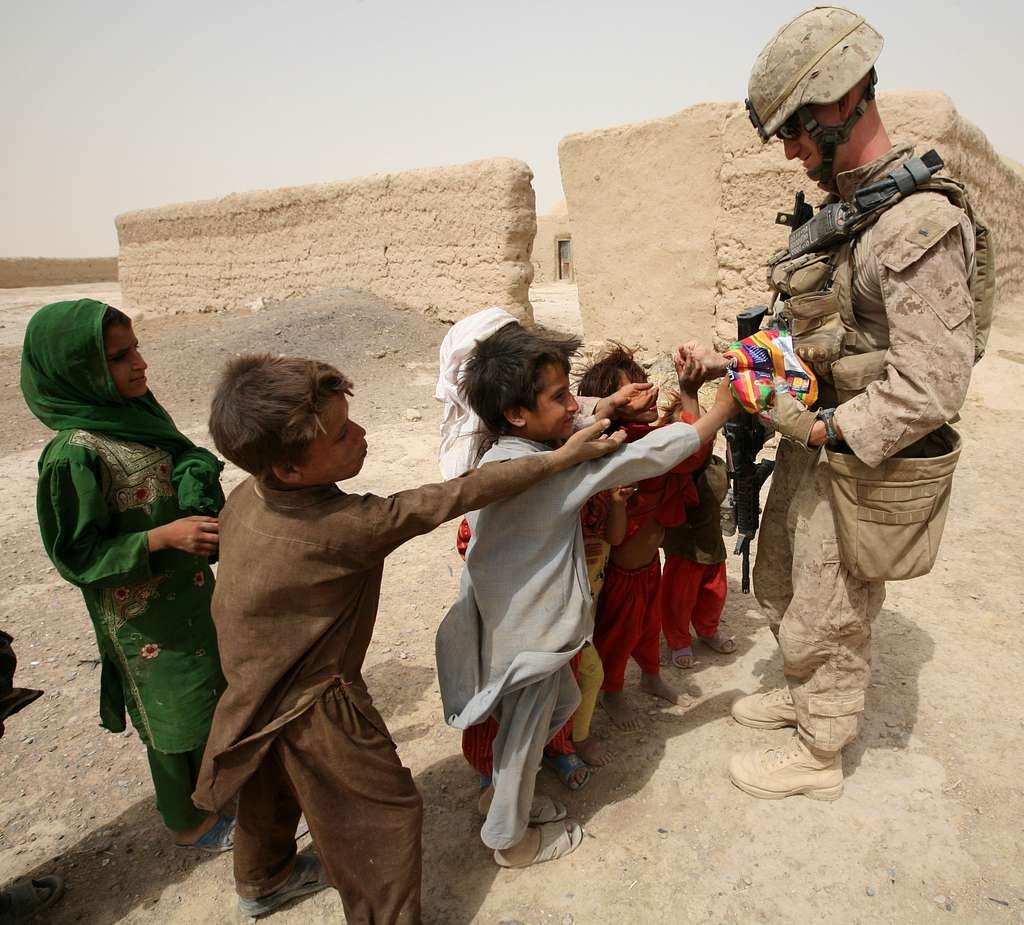
At the heart of this complicity was a deliberate policy of non-intervention. U.S. troops were explicitly instructed to overlook bacha bazi, framing it as a "cultural issue" to preserve fragile alliances essential for fighting the Taliban. This directive stemmed from loopholes in the Leahy Law, which prohibits aid to foreign units committing gross human rights violations. Yet, a "notwithstanding clause" allowed routine waivers, bypassing restrictions. Between 2010 and 2016, the U.S. ignored 5,753 documented abuse cases by Afghan forces. The Special Inspector General for Afghanistan Reconstruction (SIGAR) in 2017 lambasted this approach, highlighting over 6,000 complaints from U.S. personnel who witnessed abuses but were ordered to stand down. SIGAR's efforts were swiftly undermined; after alerting Congress and the Pentagon, the office faced defunding, halting deeper probes.
A 2018 SIGAR investigation revealed that two-thirds of interviewed U.S. personnel knew of child assaults by Afghan allies, yet lacked clear reporting guidelines. The Pentagon resisted an independent review, insisting on conducting its own, which minimized the issue. Former State Department official Matthew Hoh described an unspoken pact: accept child rape to secure partnerships. Soldiers like Jordan Terrell witnessed physical scars on boys paraded on bases, while others heard cries but were barred from acting. In one tragic case in Helmand province in 2012, an abused boy turned on his tormentors, killing three U.S. Marines, a direct consequence of unchecked alliances.
Whistleblowers who defied this silence paid dearly. Captain Dan Quinn, a Special Forces officer, assaulted an Afghan commander in 2011 after discovering a boy chained as a sex slave; Quinn was relieved of command. Sergeant First Class Charles Martland, who joined the confrontation, faced forced retirement until public outcry and the "Martland Act" reinstated him. Marine Major Jason Brezler flagged a notorious abuser, Sarwar Jan, in 2010, expelling him from a base, only for Jan to return years later, leading to the murder of three Marines by one of his victims. Lance Corporal Gregory Buckley Jr. reported hearing boys' screams in 2012, urging superiors to intervene; days later, he and two comrades were killed by an abused boy on base. These stories underscore a pattern: moral outrage met with institutional reprisal, fostering a culture where speaking out endangered careers.
This overseas tolerance bred profound moral injury among troops, contributing to post-traumatic stress disorder (PTSD) and suicides. A 2025 Army War College study explored soldiers' emotional turmoil from witnessing unpunished abuses, describing feelings of helplessness and betrayal. Veterans recounted nightmares of ignored cries, compounding combat trauma. The policy not only failed Afghan children but desensitized some service members, normalizing predatory behavior that followed them home.
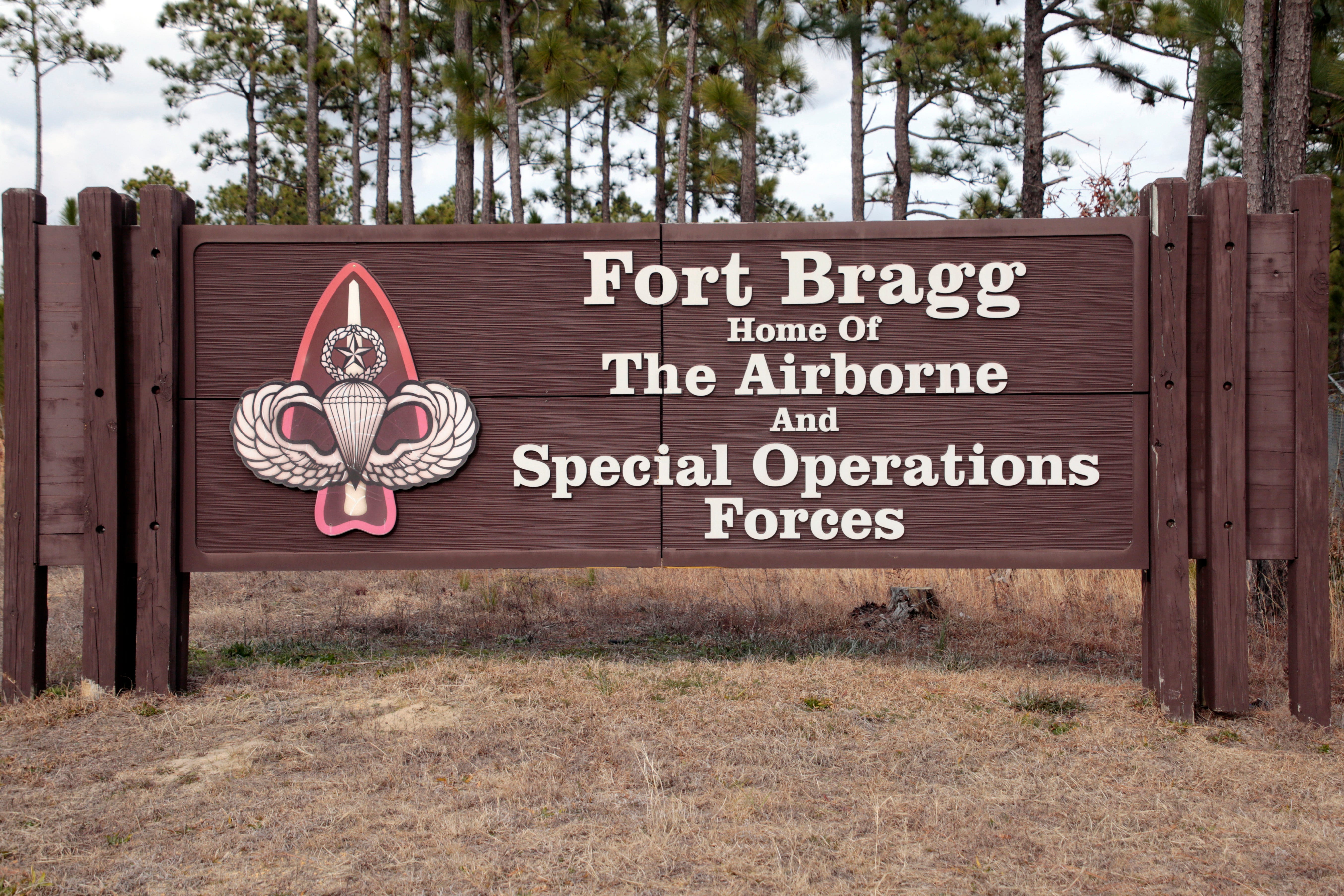
The 2021 withdrawal exposed the domestic fallout. At Fort Bragg, renamed Fort Liberty in 2023 but still a hub for special operations with 50,000 personnel, a tenfold surge in child sex crimes has gripped the base. Elite units like Delta Force, Green Berets, and the 82nd Airborne, many staffed by Afghanistan veterans, are disproportionately implicated. Dozens of convictions since 2021 reveal a chilling pattern: soldiers grooming minors online, producing and distributing child pornography, and committing in-person assaults.
Recent cases amplify the crisis. In June 2025, Specialist Jovaughn Stewart, 26, received 50 years for assaulting over 30 children, some as young as 7, through digital grooming and physical abuse from 2021 to 2024. Sergeant Shawn Lima, in 2023, faced 34 charges for molesting three children. First Sergeant Joshua Glardon earned 76 years in 2023 for distributing child pornography and facilitating rapes. Major Vincent Ramos was charged with statutory rape of a child under 15. Chief Warrant Officer Stuart Kelly got 16 years for raping a child under 12. Staff Sergeant Carlos Castro Callejas received 55 years for 13 counts of child rape. Specialist Skylar Griffin was sentenced for raping an 11-year-old. Sergeant Alejandro Colon drew 24 months for attempted child assault in a sting operation. Staff Sergeant Anthony Garcia got five and a half years for child pornography possession. Sergeant Chad Michael Johnson, arrested in 2025, exploited five girls aged 12 to 16, recording the acts.
Investigative journalist Seth Harp's "The Fort Bragg Cartel" details 15 recent special forces cases involving child rape, with zero involving adult women, a stark indicator of targeted pedophilia. Former commander Anthony Aguilar accuses leadership of suppressing reports to safeguard unit prestige, exploiting unchecked military shipments for trafficking drugs, weapons, and even children. Profit motives exacerbate the issue, with some soldiers selling explicit content online.
This epidemic ravages Fayetteville, North Carolina, where predators prey on local youth. Broader military issues, like unchecked sexual assaults and domestic violence, compound the problem. A 2024 Department of Defense review exposed failures in complaint handling, while communities near bases endure heightened risks.
The military's complicity extends beyond inaction; it's systemic protection. Commanders bury investigations, reassign offenders, and intimidate whistleblowers. Abroad, this shielded Afghan abusers; at home, it perpetuates a cycle of harm. Critics argue exposure to bacha bazi desensitized troops, importing behaviors. A 2024 Department of Labor report notes Taliban involvement in similar abuses, but the U.S.'s historical role in reviving and ignoring it undermines claims of moral superiority.
This scandal erodes U.S. credibility globally and domestically. The Taliban capitalized on it for recruitment, associating America with perversion. At home, it questions the human cost of empire: billions spent arming abusers abroad, only for depravity to infiltrate American soil. Human rights advocates demand reforms, mandatory reporting, independent probes, ending waivers, and robust veteran support. Yet, as convictions mount into 2026, accountability lags.
Unchecked power invites exploitation. The silenced screams of Afghan boys echo in North Carolina's courtrooms, a grim reminder that empires' shadows endure long after withdrawal. Justice for victims, Afghan and American, requires dismantling this culture of complicity, not perpetuating it.
And we are told to support the military and trust they will do the right thing. After reading this, it’s no wonder the child rapist president has so many supporters in NC.
Is that the same then for Biden,Obama,Clinton’s,Bushes-like,how far back do you think the public need to go??