


They told us to move. They told us to leave the place where we felt safe, to walk down the “safe” roads, to seek shelter in the designated zones. But here, in Gaza, the geography of safety is a cruel myth. We are not moving toward security; we are merely shuffling through a deck of cards where every single one is a death sentence.
In just the last 30 days, we have seen death become the constant companion of our daily routines. We are caught in a cycle of escaping from one death only to run headfirst into another. It feels like we are living in a lottery, a grim game of chance where the ticket is simply existing.
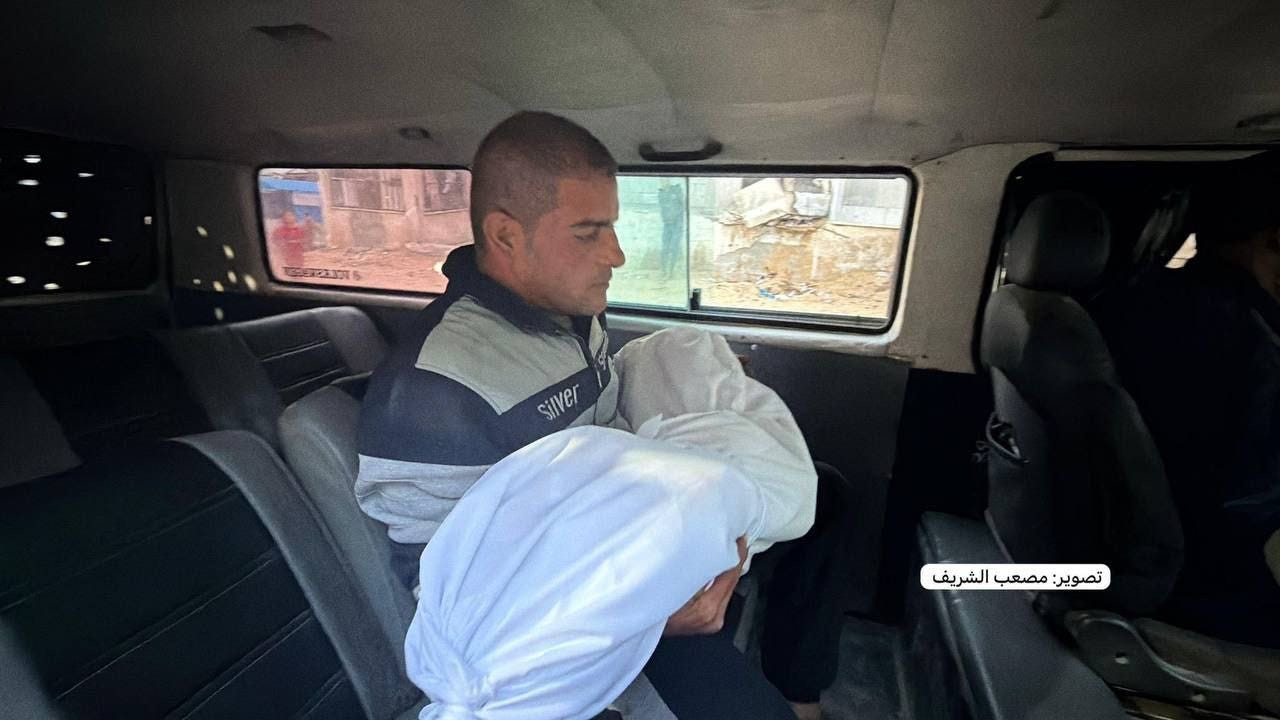
Here are five ways, out of five thousand, that life has been stolen from us in the last month alone:
1. The Proximity of the Yellow Line
You are inside your home, a place that should be your sanctuary. But here, there is the “yellow line,” the invisible, lethal boundary of blocks placed near our neighborhoods. These are death zones. To stand near them, or even in their general vicinity, is to enter the crosshairs of a sniper. The air is never quiet; every day and every night of this past month, the terrifying sound of random gunfire has echoed through our streets. Soldiers have fired indiscriminately at residents, whether under the glare of the afternoon sun or in the thick, suffocating darkness of night. You are not safe, even in the corners where you hide.
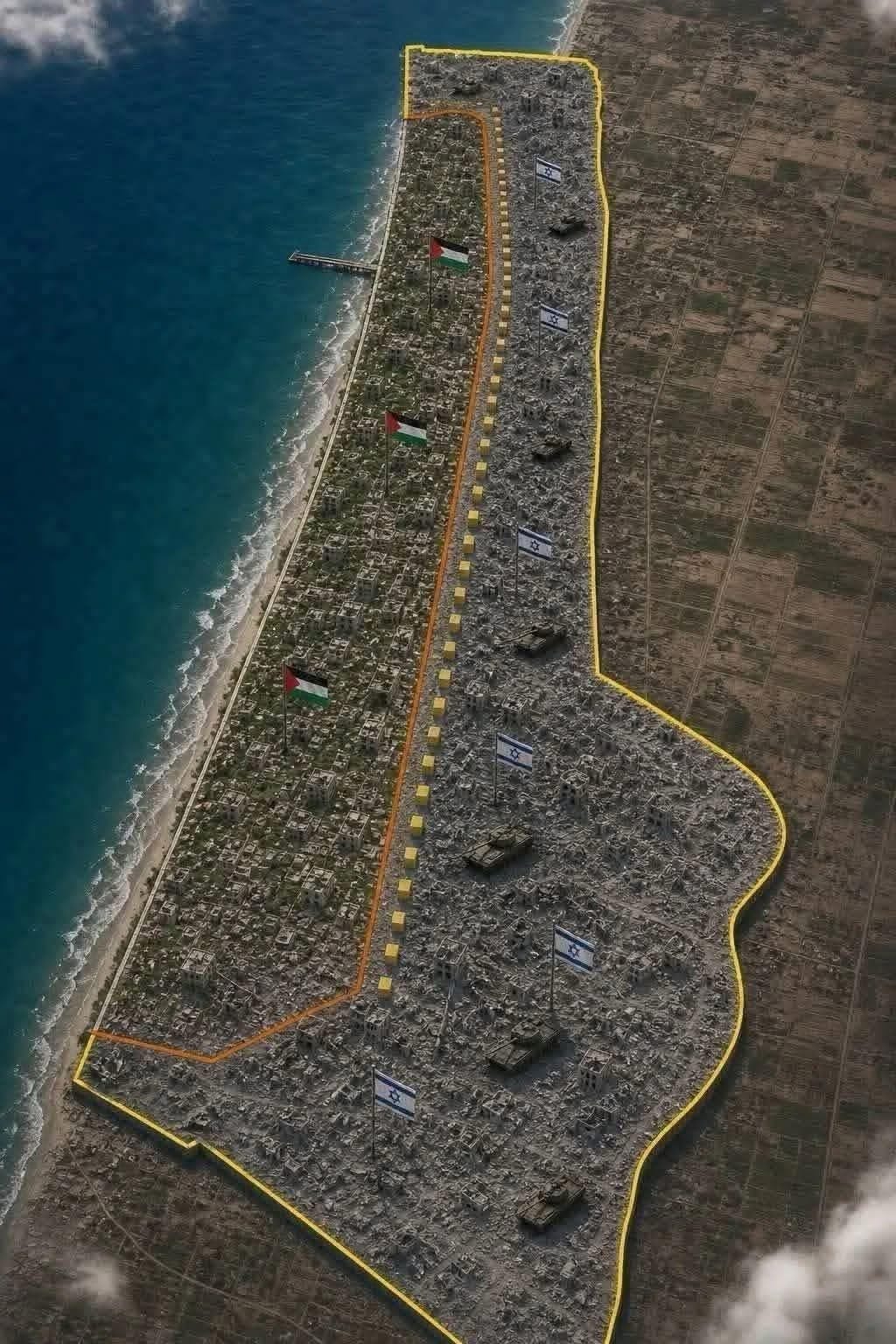
2. The Daily Commute
You rely on your car to navigate the distance between home and what remains of your life. It should be a functional space, but the road has become a gauntlet. The road you have traveled a thousand times becomes a place where any turn could be the last. In the last 30 days, we have seen families hit while trying to reach supply centers, traveling for the sake of survival, only to become targets on a dusty road.
3. A Moment of Respite on the Beach
The sea is supposed to be our relief, a place to cool off and wash away the dust of the day. But this month, we witnessed people targeted while trying to find a moment of peace in the waves. A place of refuge turned into a scene of devastation in a single heartbeat. The shoreline, usually a rare place of relative openness, is no longer neutral.
4. Watching a Match in a Cafeteria
We try to find connection in the small things, like gathering in a local spot to watch a game. It is a desperate attempt to feel like humans living in a normal world. But even these small, human moments of joy were targeted this month. We’ve seen the aftermath — the broken chairs, the shattered screens — where laughter was cut short by sudden, irreversible loss.
5. On the Way Home from School
You are simply a student moving from the classroom to your front door, carrying your bag and your thoughts. You are walking the path you know by heart. But the street does not distinguish between a child’s path and a target. In the transition between the classroom and the home, the journey is interrupted before you can reach the door. The path back to your family is now a place of profound danger.
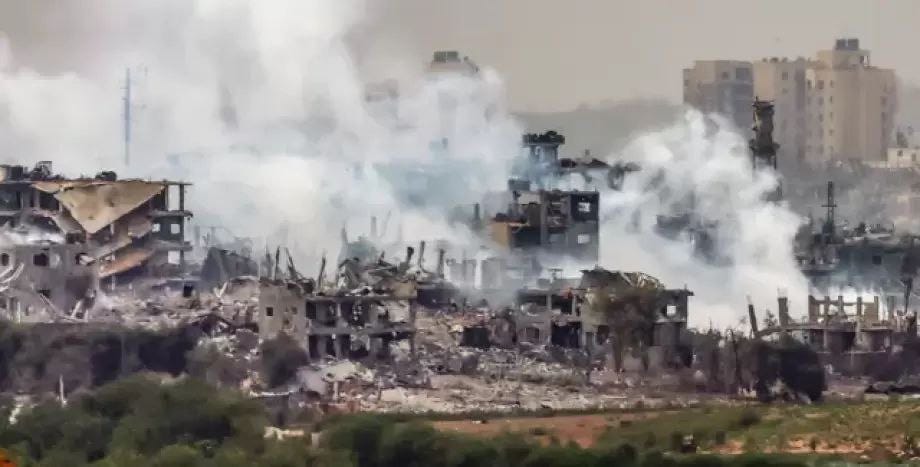
Beyond these statistics, there is the private, gnawing terror that keeps me awake long after the drones have settled into their rhythmic, haunting hum. As a father, my life is no longer measured in years, but in the frantic, unspoken prayers I whisper every time Omar or Keenan leaves my sight, even if it’s just to step into the other room.
I catch myself watching them sleep, terrified that the quiet of the night is a prelude to something worse. I find myself rehearsing the worst-case scenarios in my head, over and over, trying to figure out how I would shield them, how I would explain the unexplainable, or how I would hold onto them if the world decided to tear us apart. It is a heavy, suffocating fear — the fear that no matter how much I teach them, no matter how much I love them, I am ultimately failing to provide the one thing a father is supposed to give: safety.
I carry this fear like a second skin. It is the tremor in my hands when I hold them, and the mask of calm I wear when they ask me, “Baba, will tomorrow be okay?”
The terrifying truth of Gaza is that you do not have to be a soldier to face these five thousand doors. You just have to be a father trying to find food, a student walking home, or a child trying to play in the shade of a tent.
Note: If you would like to support Ahmad Rizik and his family, please consider donating to his personal campaign or becoming a free/paid subscriber.
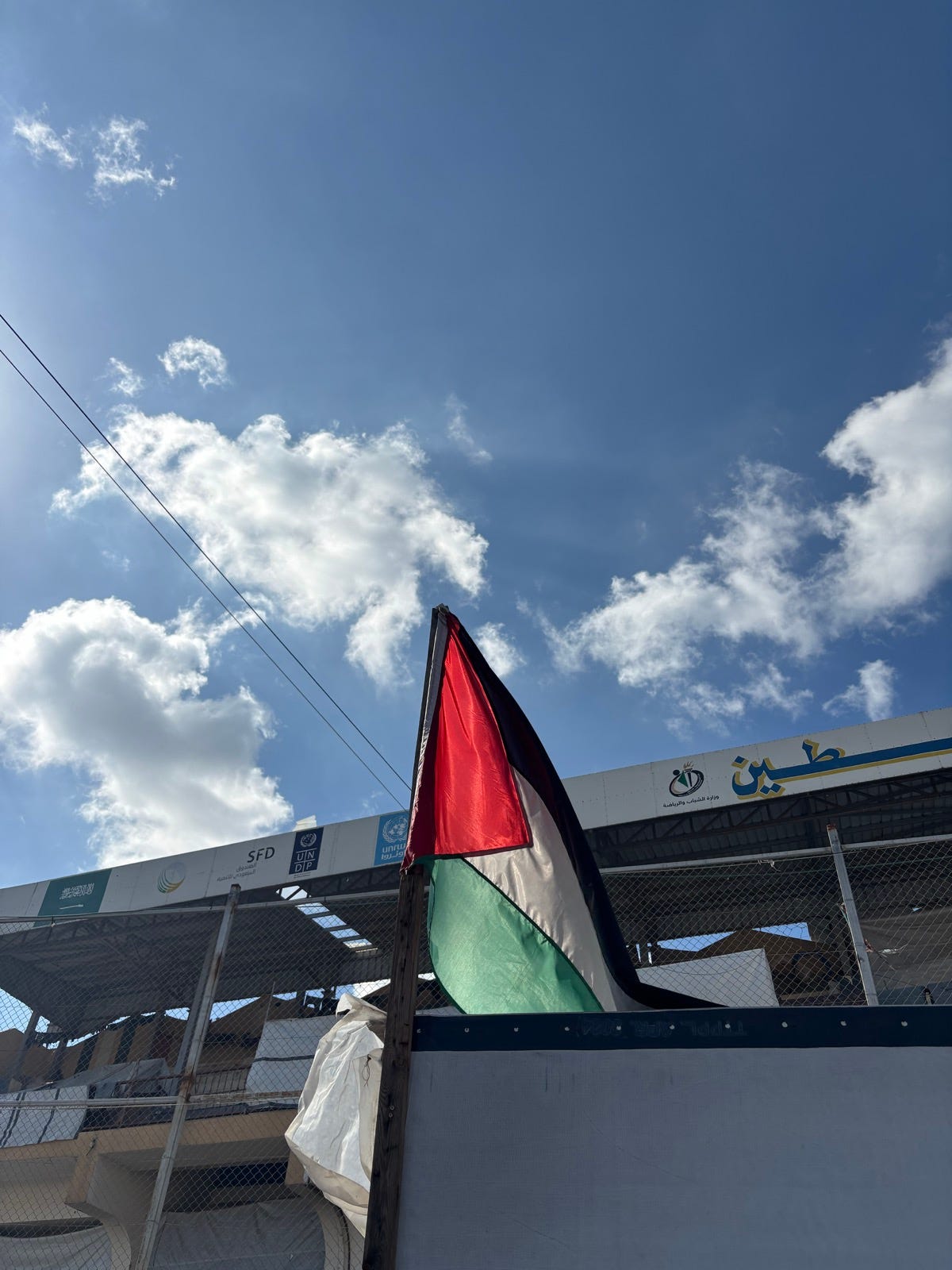
We are still here, writing these words, but we know the gravity of our luck. Every sunset we see is a miracle we didn’t earn; it is just a day the lottery spared us.
We are not just statistics. We are men and women learning, every single day, how to be human in a place that has forgotten the meaning of the word. We keep walking through this maze, not because we have a guarantee of safety, but because as long as we are here, we refuse to let the darkness be the only thing that defines us.
This piece makes one thing plain: in Gaza, civilian life itself has been turned into a target. Home, road, beach, café, school — every space that should belong to ordinary people is treated as a kill zone. Survival isn’t a right anymore; it’s a daily act of defiance.
Ahmad, your writing is truly heartbreaking. My deepest wish is for Palestinians' peace and safety and for the rapid demise of this savage illegal squatter entity.