


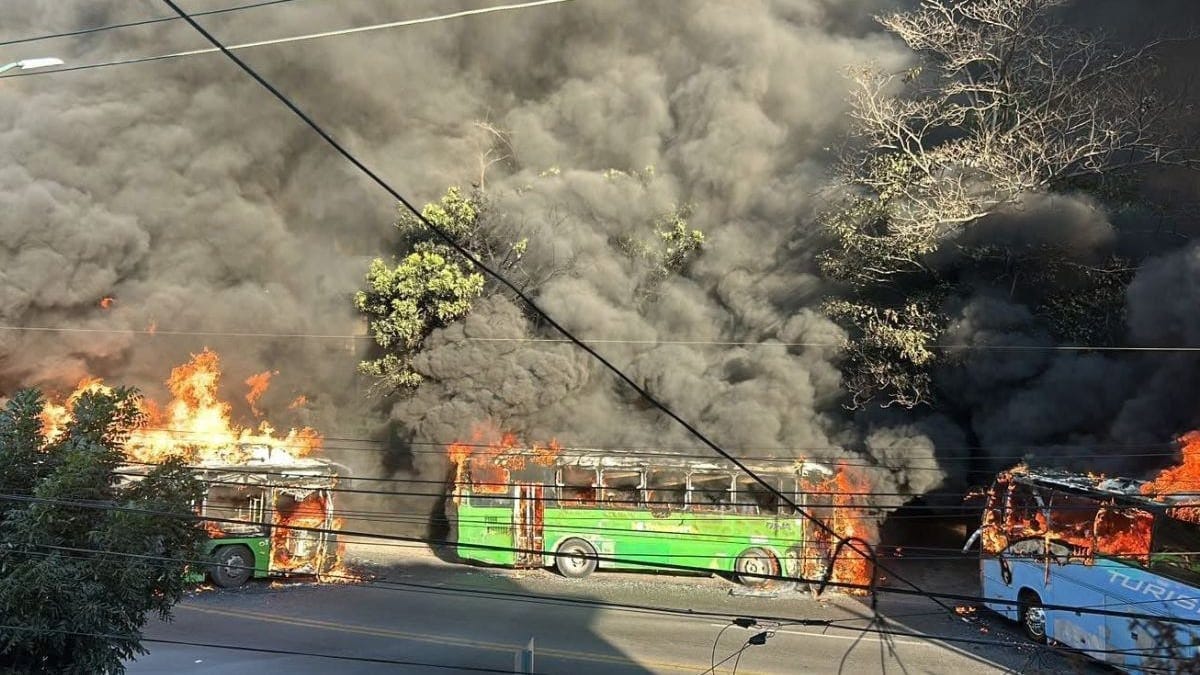
On February 22, 2026, Mexico announced that El Mencho had been killed in a military operation. The official story was clean and triumphant. A decade-long manhunt wrapped up in a single headline.
The internet didn’t buy it. Within hours, the counter‑narrative exploded: Sheinbaum’s government didn’t just eliminate a cartel boss. It eliminated the CIA’s top man in Mexico.
There is no evidence for that claim. But the theory didn’t appear out of thin air. It appeared because the geopolitical moment makes it feel possible. It appeared because people recognize patterns. It appeared because institutions have earned the public’s distrust.
And it appeared because what happened on February 22 didn’t happen in a vacuum. It happened under a president who is openly breaking with U.S. interests, defending Cuba, and calling out lsrael’s actions in Gaza. That context changes everything.
This is the story beneath the story.
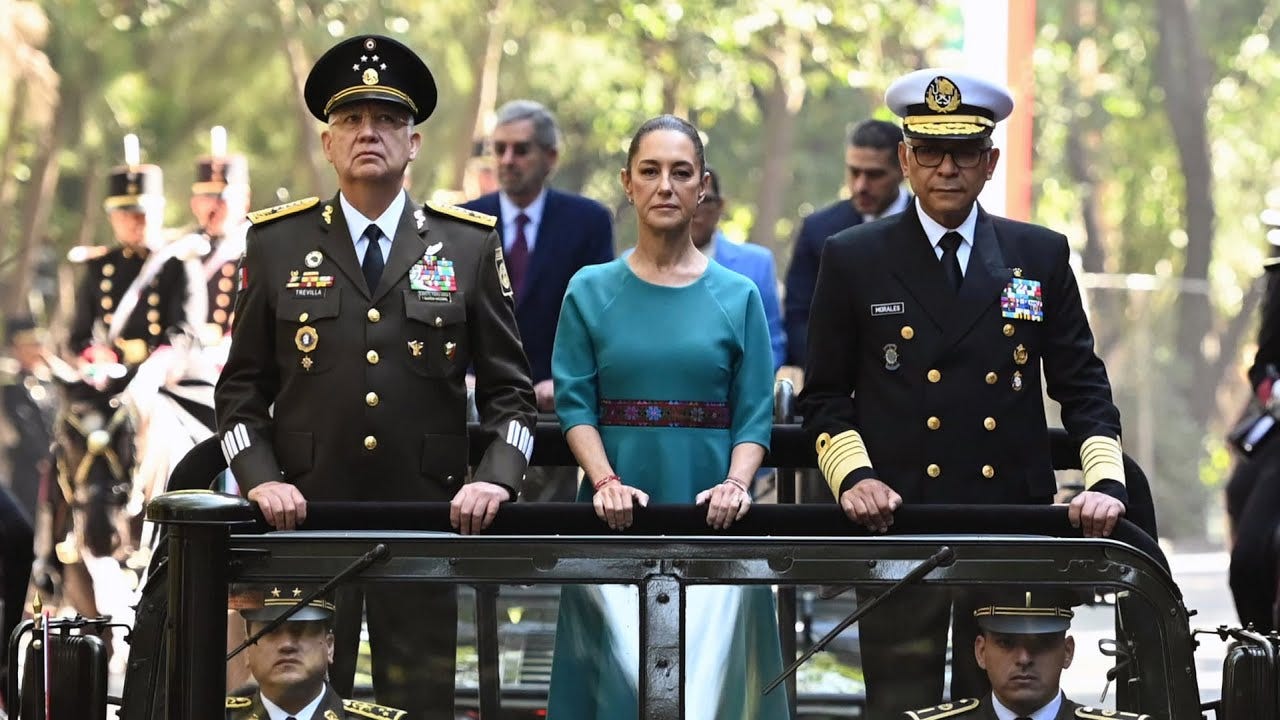
1. Mexico’s new president is not aligned with Washington
Claudia Sheinbaum is not following the traditional script of Mexican presidents who tiptoe around U.S. expectations.
She has:
Strengthened ties with Cuba
Defended Havana against U.S. pressure
Condemned Israel’s actions in Gaza
Aligned Mexico with Latin American governments demanding accountability
Signaled a more sovereign foreign policy
This matters. Washington expects Mexico to stay predictable. When a leader steps outside that lane, the U.S. pays attention.
So when Sheinbaum announces the death of a man who evaded capture for a decade, people immediately ask:
Who benefits from this timing? And who loses?
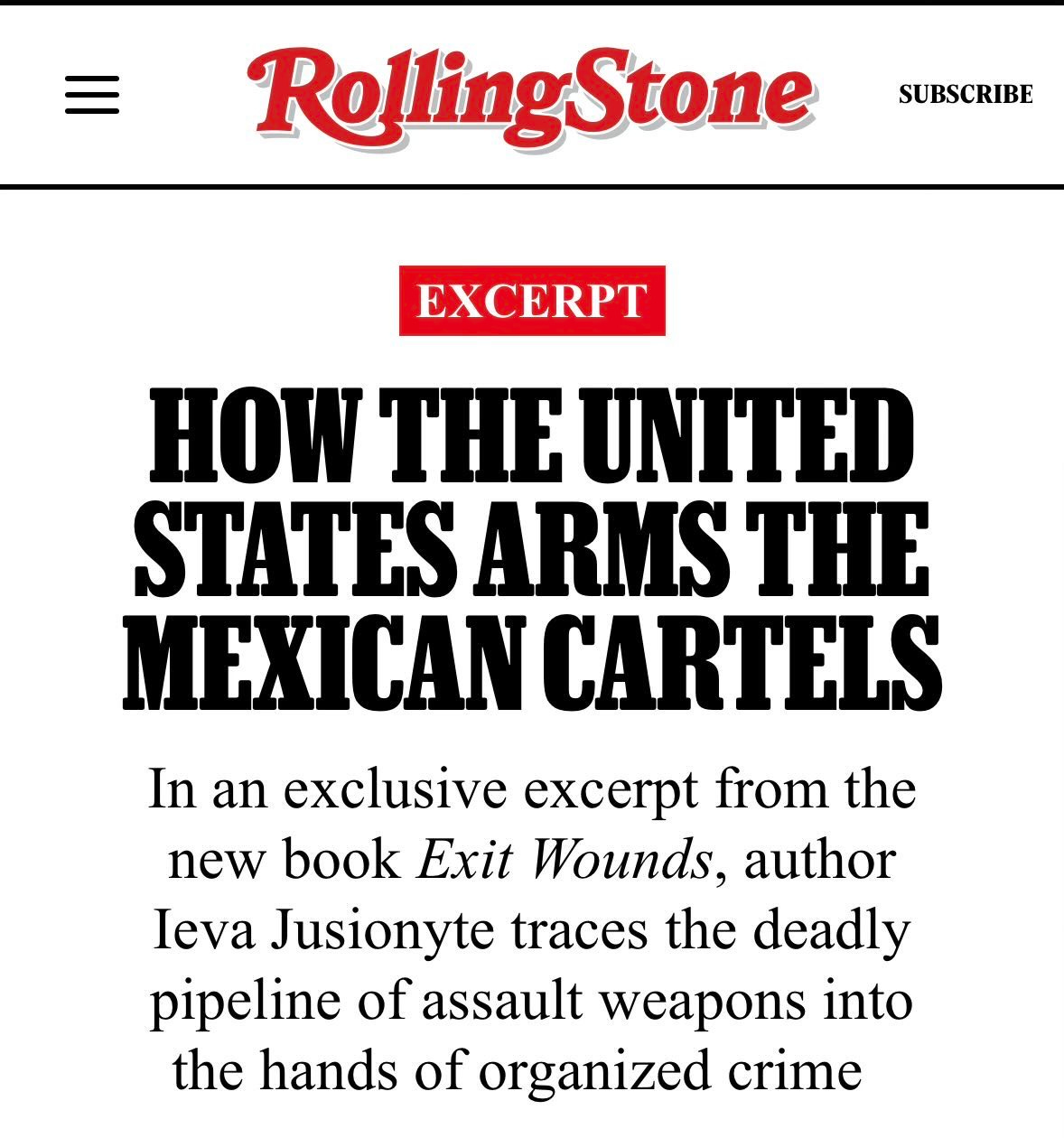
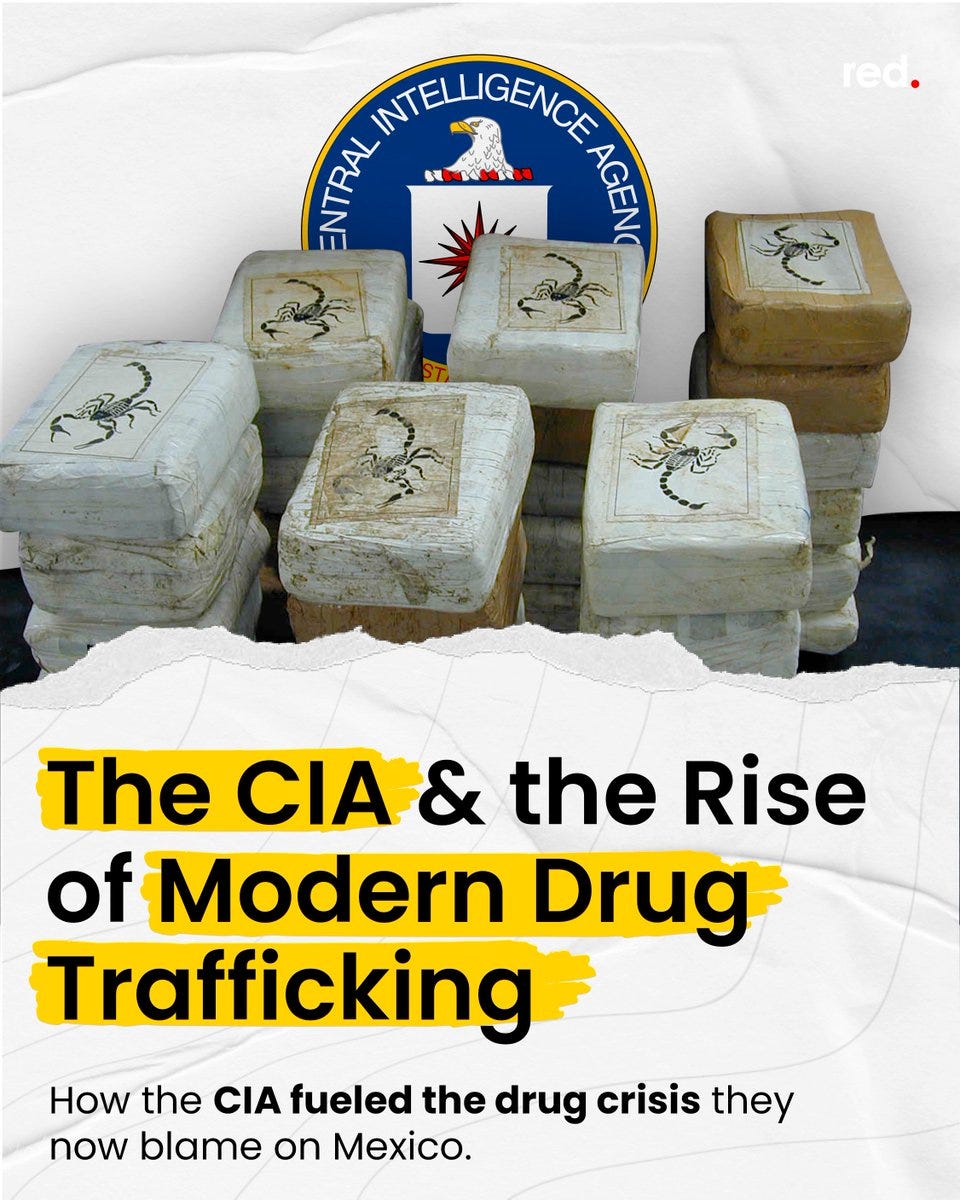
2. The U.S. has a documented history of using criminal networks
This is not conspiracy. It is declassified history.
CIA–Mafia cooperation in the Cold War
U.S. support for drug‑linked militias in Latin America
Iran‑Contra’s weapons‑for‑drugs pipeline
So when a cartel becomes unusually powerful, people don’t assume coincidence. They assume continuity.
This is the soil where the “CIA asset” narrative grows.
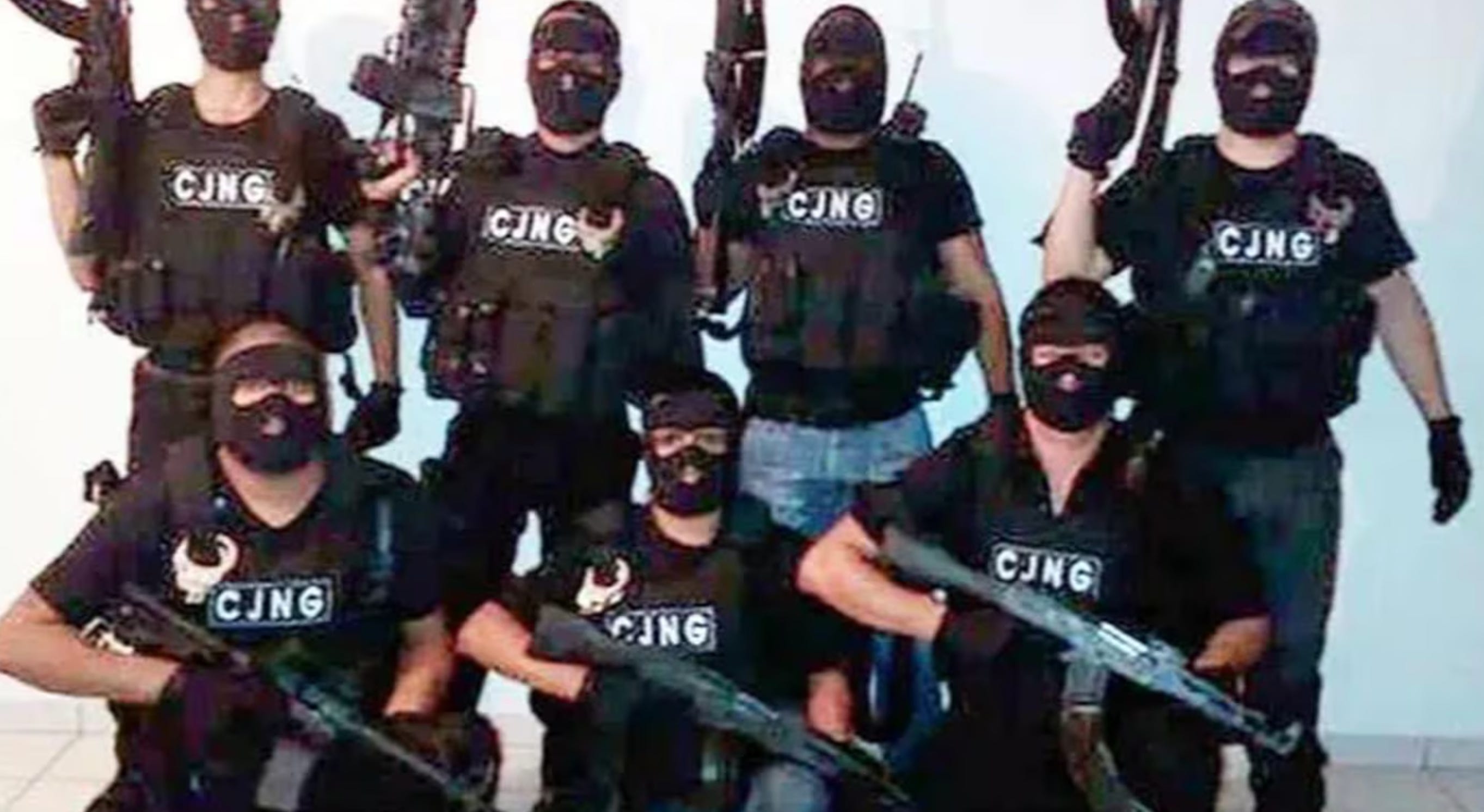
3. CJNG’s rise looks engineered, not organic
CJNG didn’t grow like a cartel. It grew like a paramilitary force.
armored vehicles
drone warfare
anti‑aircraft weapons
battlefield tactics
propaganda units
Researchers have documented:
Former U.S. special forces privately training cartel units
Mexican special forces defectors, originally trained by the U.S. and Israel, joining CJNG
Weapons flowing south from U.S. markets with almost no friction
None of this proves state sponsorship. But it creates a pattern that people recognize.
The logic goes like this:
If CJNG looks like a paramilitary, maybe it was treated like one.
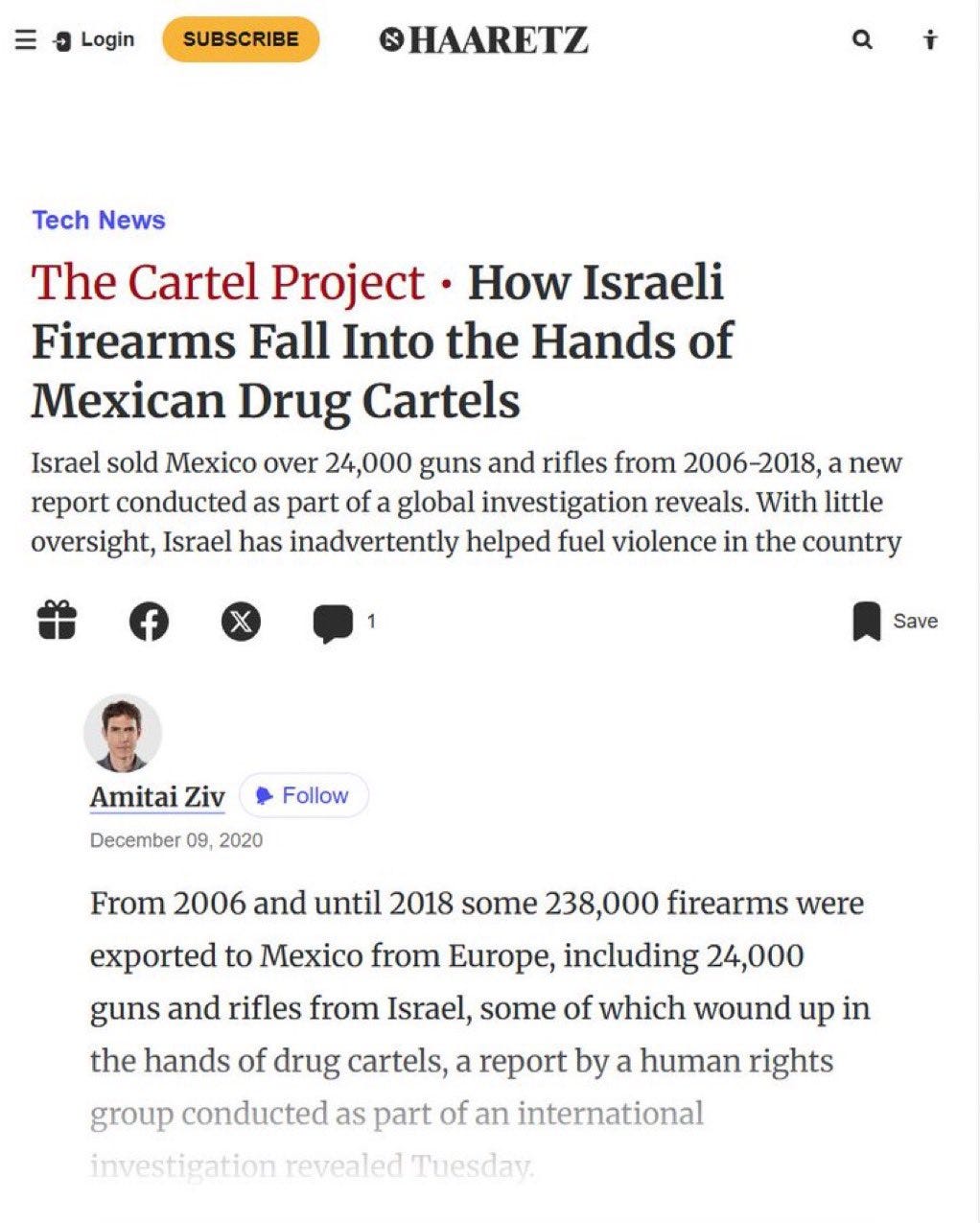
4. Israel’s security footprint in Mexico adds another layer
Israel has trained Mexican police and military units for decades. When those units defect, they take their skills with them.
This is not evidence of Israeli involvement with CJNG. But conspiracy logic collapses the distinction between:
official training
and the afterlife of that training
And because Sheinbaum has taken a strong stance against Israel’s actions in Gaza, the timing of El Mencho’s reported death becomes politically charged.
To some, it looks like Mexico cutting ties with old security arrangements and cleaning house.
5. Selective enforcement always raises suspicion
For years, CJNG expanded while other cartels were dismantled.
Sinaloa faced major arrests
The Zetas collapsed
The Gulf Cartel splintered
CJNG kept growing
People notice patterns like that. They ask why one group seems to move through the system with fewer obstacles.
The Theory:
CJNG was allowed to grow because it served someone’s interests.
If that is true, then El Mencho’s death under a new administration looks less like justice and more like a shift in alliances.
6. El Mencho’s decade of invisibility became its own evidence
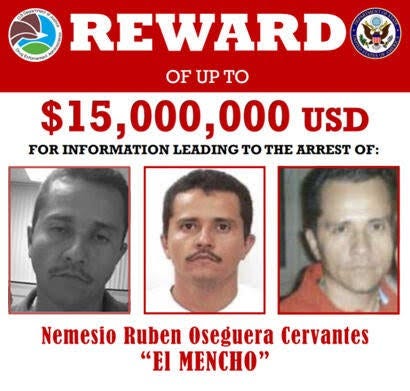
El Mencho evaded capture for more than ten years.
He slipped out of raids
He operated in regions saturated with U.S. surveillance
He survived manhunts that crushed others
To many, that level of invisibility is not luck. It is protection.
So when Sheinbaum announces he is dead, the question becomes:
Who stopped protecting him? And why now?
7. Why what happened on February 22 matters
This didn’t happen under a president aligned with Washington.
It happened under a president who:
supports Cuba
criticizes Israel
challenges U.S. influence
signals a more independent foreign policy
That context changes the meaning of the event.
If Mexico is repositioning itself geopolitically, then removing a cartel leader who may have benefited from past arrangements becomes more than a law‑enforcement victory. It becomes a political statement.
Even if the CIA‑asset theory is false, the timing invites speculation because it fits a broader pattern:
When governments realign, old alliances die. Sometimes literally.
The real story is not the claim. It is the distrust.
Whether CJNG was ever an instrument of any state is unknown. What is known is this:
The U.S. has used criminal networks before
CJNG’s militarization is unusual
Defectors trained by the U.S. and Israel did join cartel ranks
Enforcement patterns in Mexico are political, not neutral
El Mencho’s survival defied logic
Sheinbaum is breaking with U.S. and Israeli interests
Institutions have earned the public’s distrust
So when Mexico announces that it killed a cartel kingpin, and the internet counters that it killed a CIA asset, the truth is not in the claim. The truth is in the conditions that make the claim believable.
People fill in the gaps because the state leaves them empty.
Bless anyone who calls out Israhell for what they are. And stands with Cuba 🇨🇺
Yes, there would be no powerful cartels if the USA didn't supply them with guns, ammo, grenades etc.