



For more than twenty years, Nestlé and Cargill have bought cocoa from farms in West Africa where children work in dangerous and abusive conditions. This is not hidden. It has been documented again and again. More than 1.5 million children work in cocoa in Côte d’Ivoire and Ghana. Some are five or six years old. Many were trafficked. Many were beaten. Many never went to school.
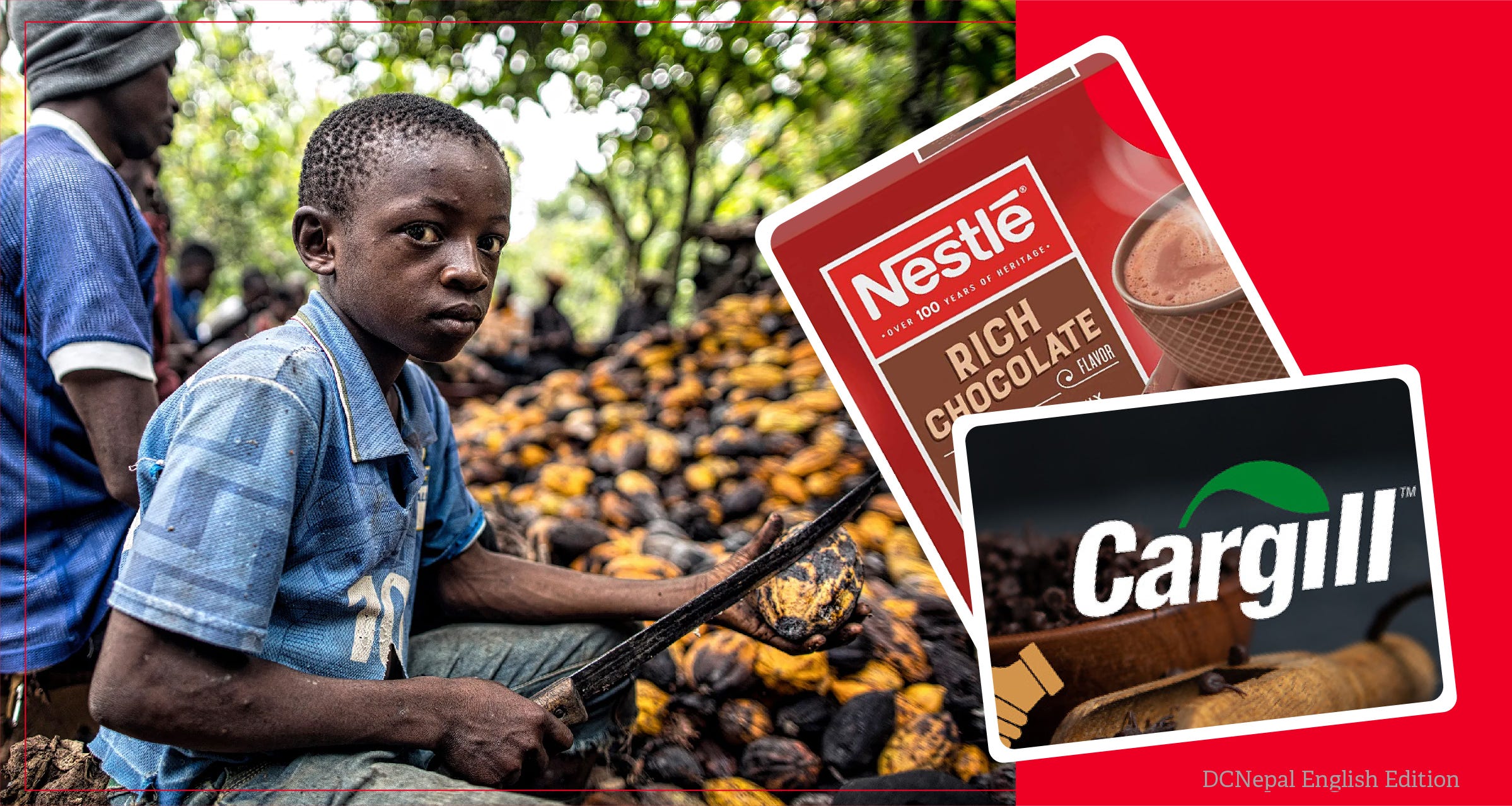
The companies admitted this in 2001. They promised to stop it by 2005. They failed. They promised again for 2010. They failed. Then 2020. Failed again. Now they say 2025. Two decades of promises that led nowhere while children kept working in the fields.
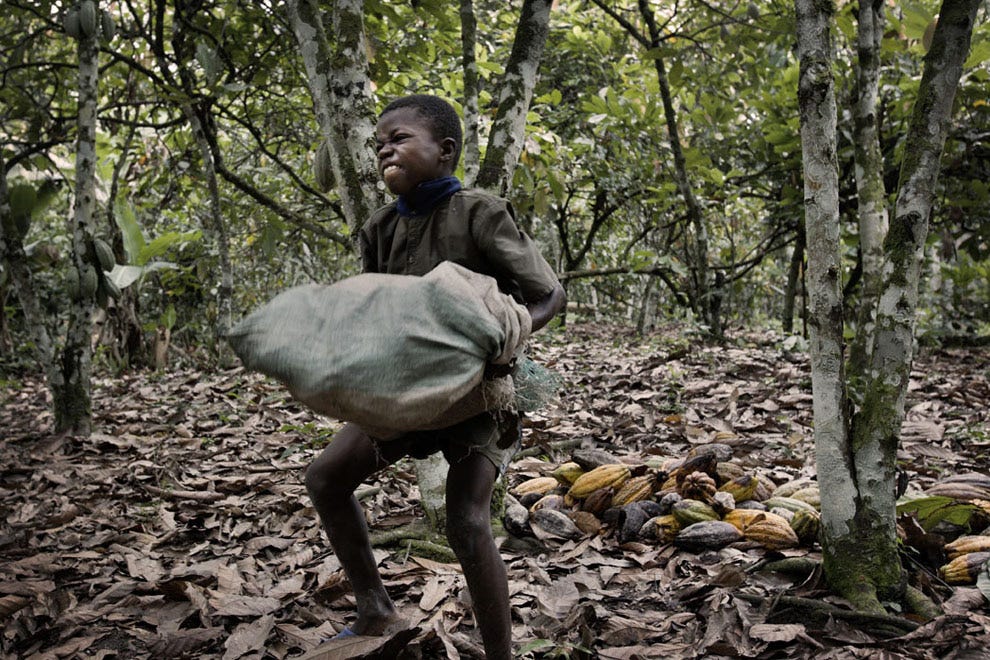
A boy named Drissa, who was freed from a cocoa farm, said, “When people eat chocolate, they are eating my flesh.” He was not exaggerating. Ninety‑five percent of the children in cocoa do hazardous work. They use machetes. They carry heavy loads. They spray pesticides with no protection. They work long days with no pay.
And Drissa is not the only one.
A boy named Aly Diabaté said he was trafficked from Mali at age eleven. He said he worked from sunrise to sunset and was beaten when he slowed down.
A boy interviewed by the BBC, called “Yaya” for safety, said he had harvested cocoa for years but had never tasted chocolate in his life.
A girl in Ghana, only thirteen, told researchers she carried sacks heavier than her own body and handled chemicals that burned her skin.
Another boy who escaped a farm said, “I thought I would die there.”
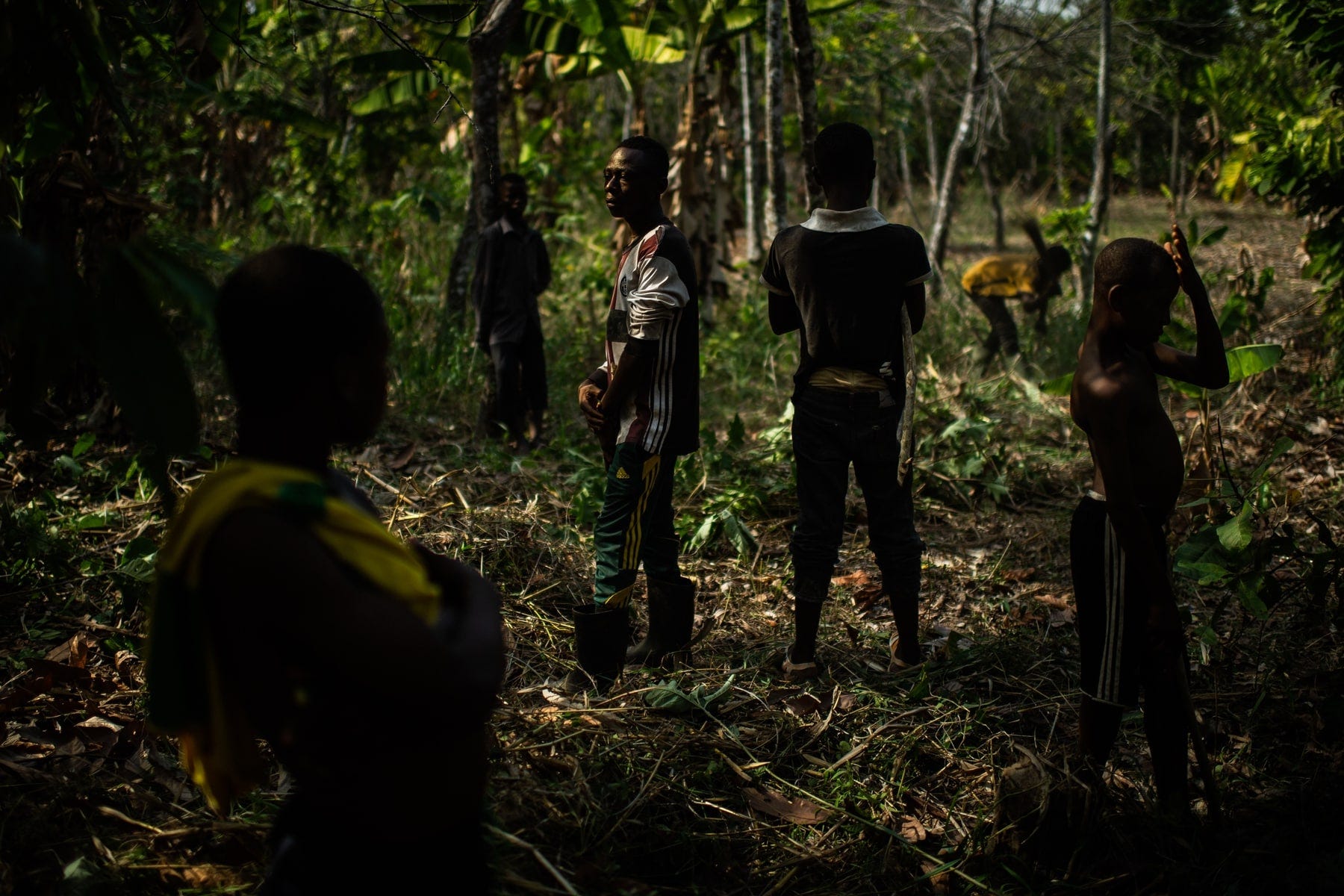
These are not rare stories. They are common.
Meanwhile, Nestlé makes around one hundred billion dollars a year. Cargill makes more than one hundred fifty billion. The average cocoa farmer in Côte d’Ivoire earns about fifty cents a day. That is why children are used. Farmers cannot survive. Children become the cheapest labor. Some are taken from other countries and forced to work.
The companies say they are fixing the problem, but they cannot even trace most of their cocoa. Nestlé can trace about half. Cargill can trace about ten percent. They do not know where most of their cocoa comes from. They cannot stop child slavery if they do not know which farms they buy from.
In 2021, six former child slaves took Nestlé and Cargill to the U.S. Supreme Court. They said they had been trafficked, forced to work long days, beaten, and never paid. The Court ruled eight to one in favor of the companies. Not because the abuse didn’t happen. Not because the children were lying. The Court said the case could not continue because the slavery happened overseas. The companies walked away with no consequences.
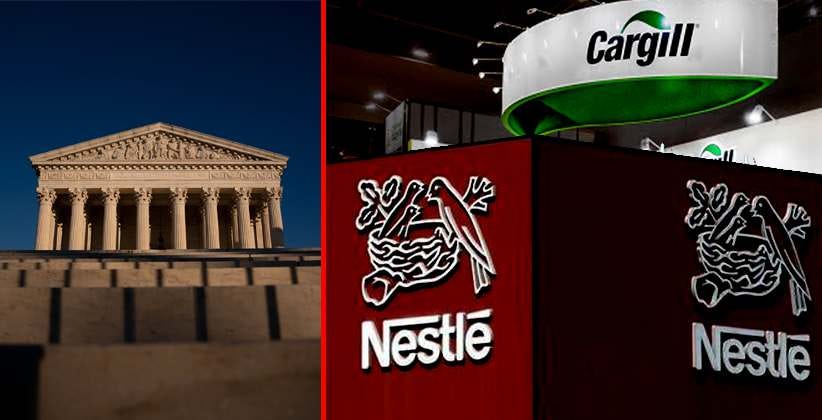
So nothing changes. The companies keep making money. The world keeps buying chocolate. And children keep working in the fields with machetes in their hands.
Every time we buy chocolate from companies that refuse to clean up their supply chains, we help keep this system alive. We help keep children in danger. We help keep the cycle going.
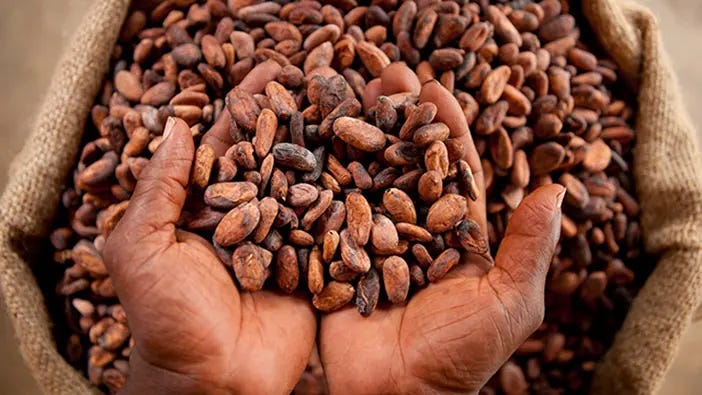
If only we had a multinational army dedicated to fighting for justice against corporations. All of this would (at the very least) slow down dramatically. We’d hold these corporations accountable to their crimes and arrest the criminals responsible. That might sound extreme, but it’s what I envision would really change the world for the better.
Already boycotting this shit for their investments in Israel. The app NO THANKS now links items to what’s happening in Sudan too so anyone still unsure can scan items before buying.