


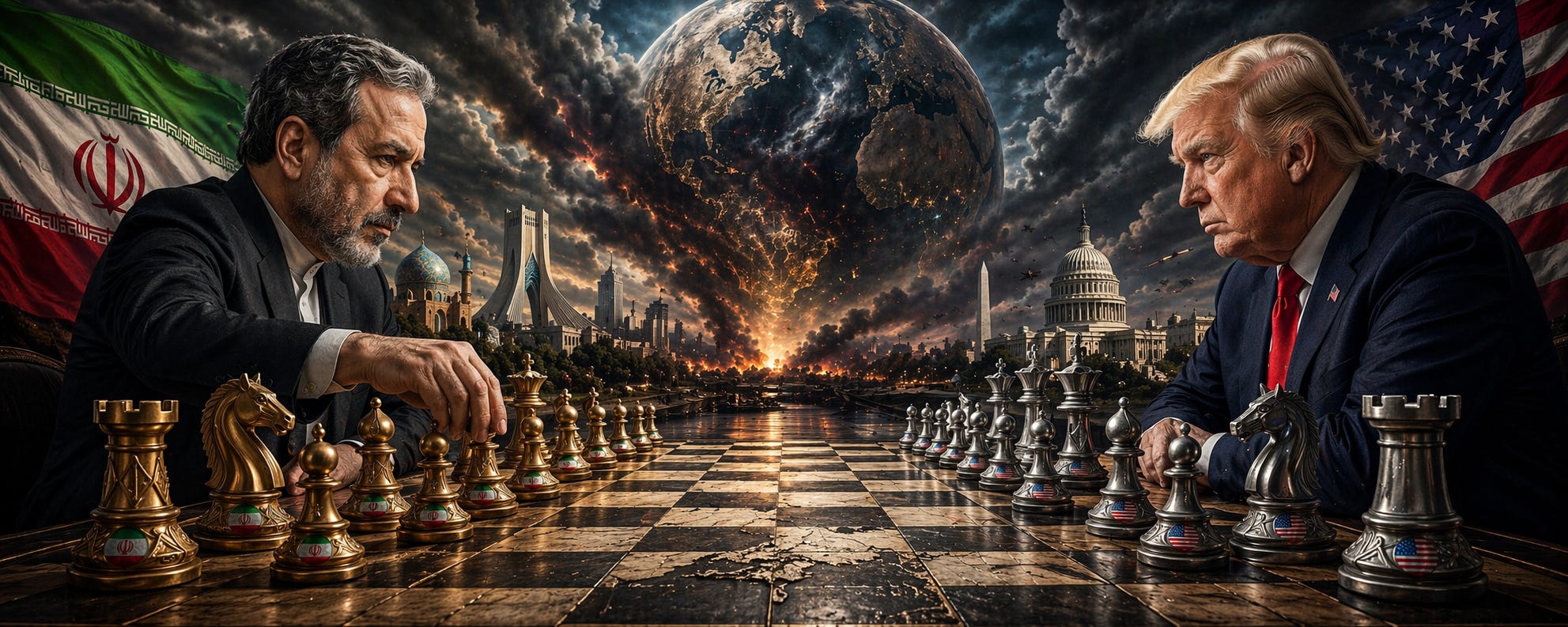
The announcement of a 10‑day ceasefire in Lebanon by U.S. President Donald Trump has raised more questions than it answers. Far from being a straightforward diplomatic breakthrough, the move appears to have caught Israel’s own security cabinet off guard—suggesting that the ceasefire was less a product of Israeli initiative and more a condition imposed by Washington. This dynamic alone invites suspicion: Is the U.S. using Lebanon as a bargaining chip in its broader negotiations with Iran?
Pressure from Tehran, Mediation via Islamabad
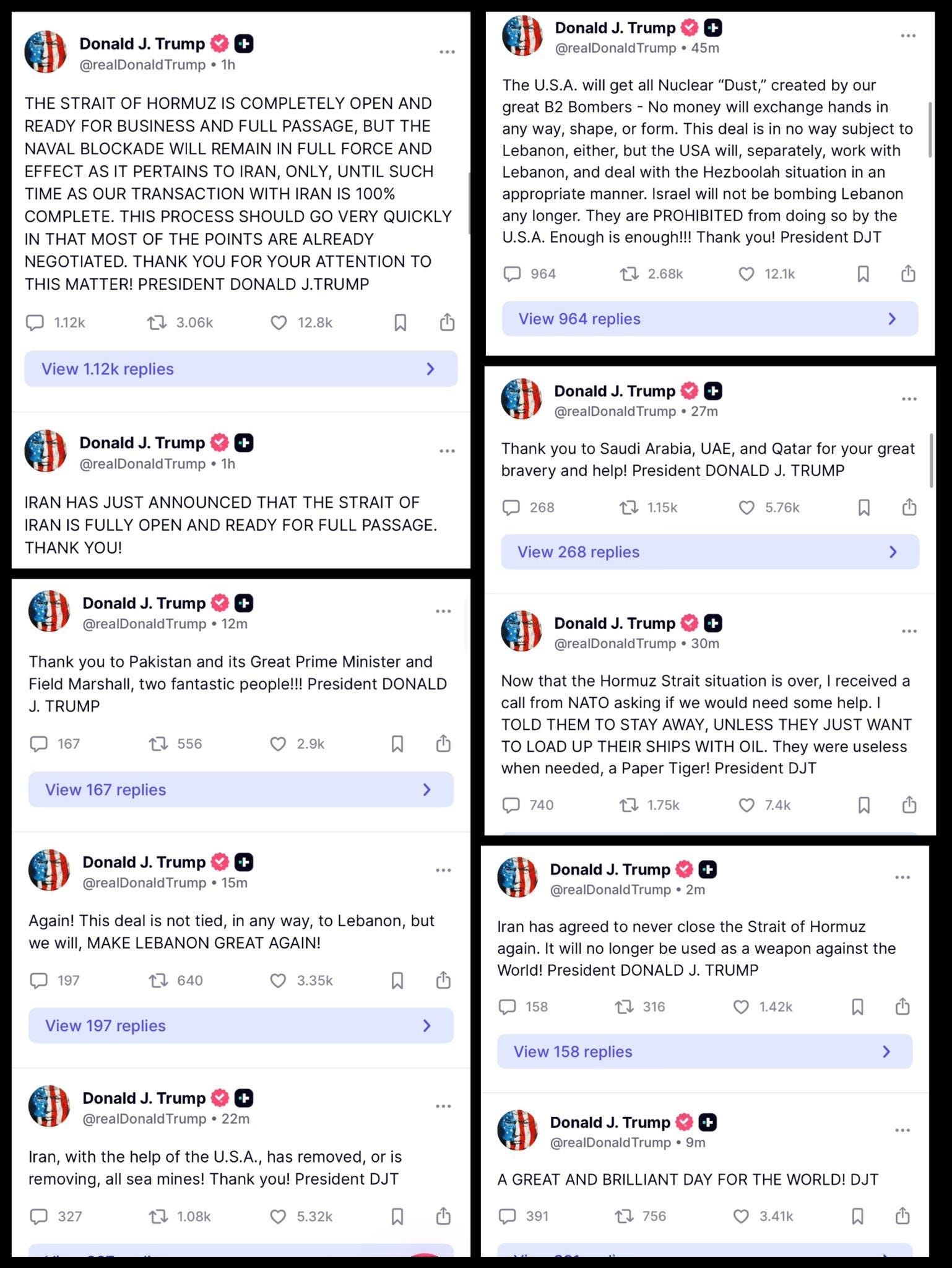
Analysts point to Iran’s role in shaping the ceasefire, reportedly making it a prerequisite for any further talks with the United States. Pakistan’s involvement as an intermediary underscores how regional actors are manoeuvring to limit Washington’s unilateral leverage. If Iran can dictate terms through indirect channels, the ceasefire may reflect not U.S. benevolence but strategic necessity.

The Battlefield Reality
Despite weeks of fighting, Israel failed to occupy key border villages, most notably Bint Jbeil—a city with symbolic weight in the resistance narrative. This military stalemate undermines the image of Israeli dominance and suggests that the ceasefire may be less about humanitarian reprieve and more about buying time to recalibrate strategy. That suspicion was reinforced when reports emerged that Israeli forces attacked villages in Lebanon just two hours after the ceasefire was announced. Such actions cast doubt on whether Israel ever intended to honour the truce, and they expose the ceasefire as little more than a diplomatic fig leaf.
U.S. Military Buildup: A Pause Before Escalation?
The massive U.S. military presence in the region—tens of thousands of troops and a fleet of naval ships—casts doubt on the sincerity of the ceasefire. Rather than signalling de‑escalation, the buildup hints at preparations for a wider conflict. Some analysts frame the ceasefire as a public relations manoeuvre, designed to project restraint while laying the groundwork for future escalation.
Economic Leverage and the Hormuz Factor
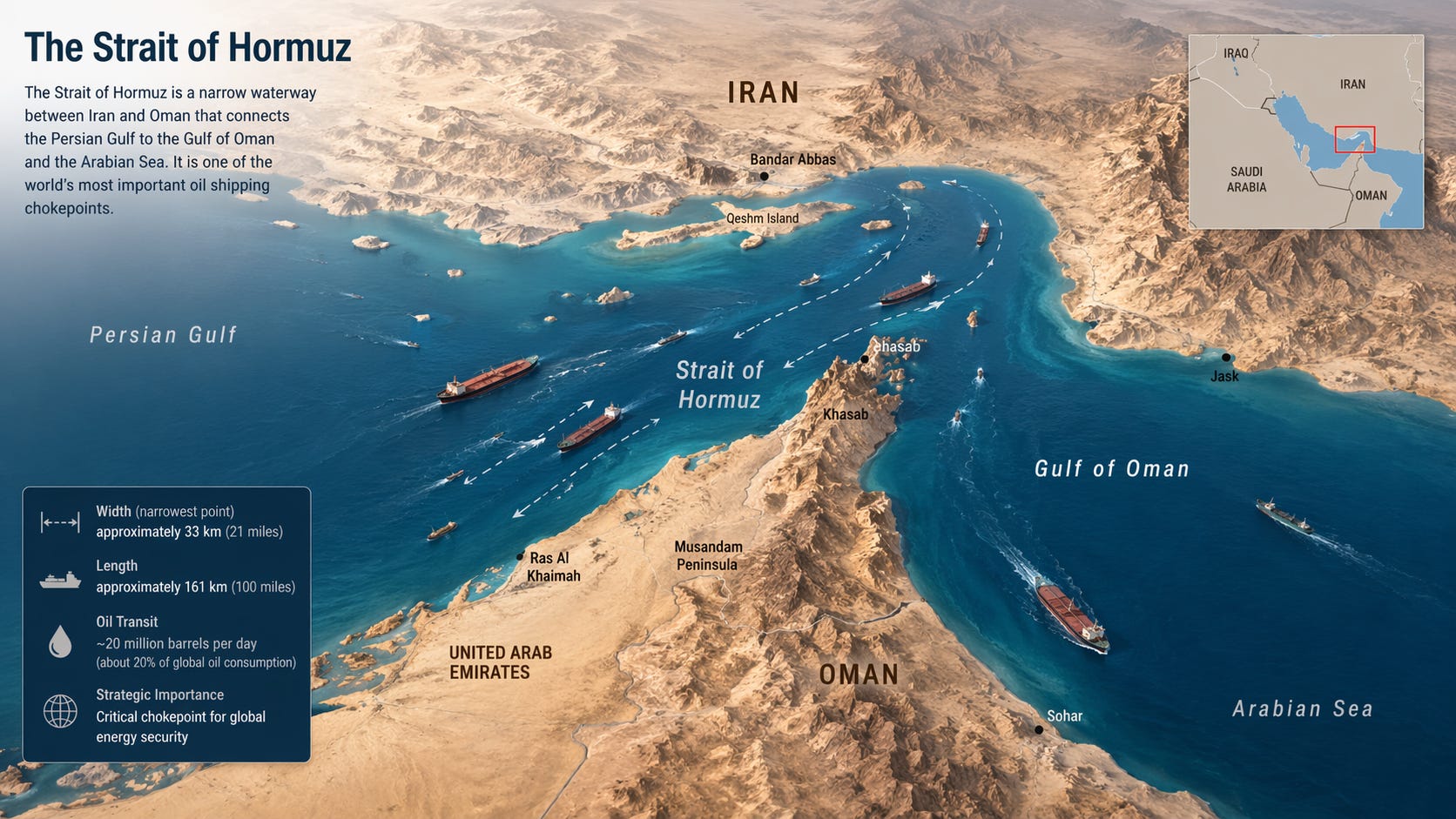
The blockade of the Strait of Hormuz has already sent energy prices soaring in Europe and threatens agricultural supply chains in North America. Yet Iran, having spent decades cultivating alternative trade routes, appears resilient. This resilience undermines Washington’s ability to weaponise economic pressure, raising the possibility that the U.S. is using Lebanon as a diversionary theatre while its economic strategy falters.
Attrition, Not Deterrence
The conflict increasingly resembles a war of attrition, where the goal is not merely to deter attacks but to inflict lasting strategic losses. In this context, the ceasefire looks less like a step toward peace and more like a tactical pause in a longer campaign of exhaustion.
Conclusion
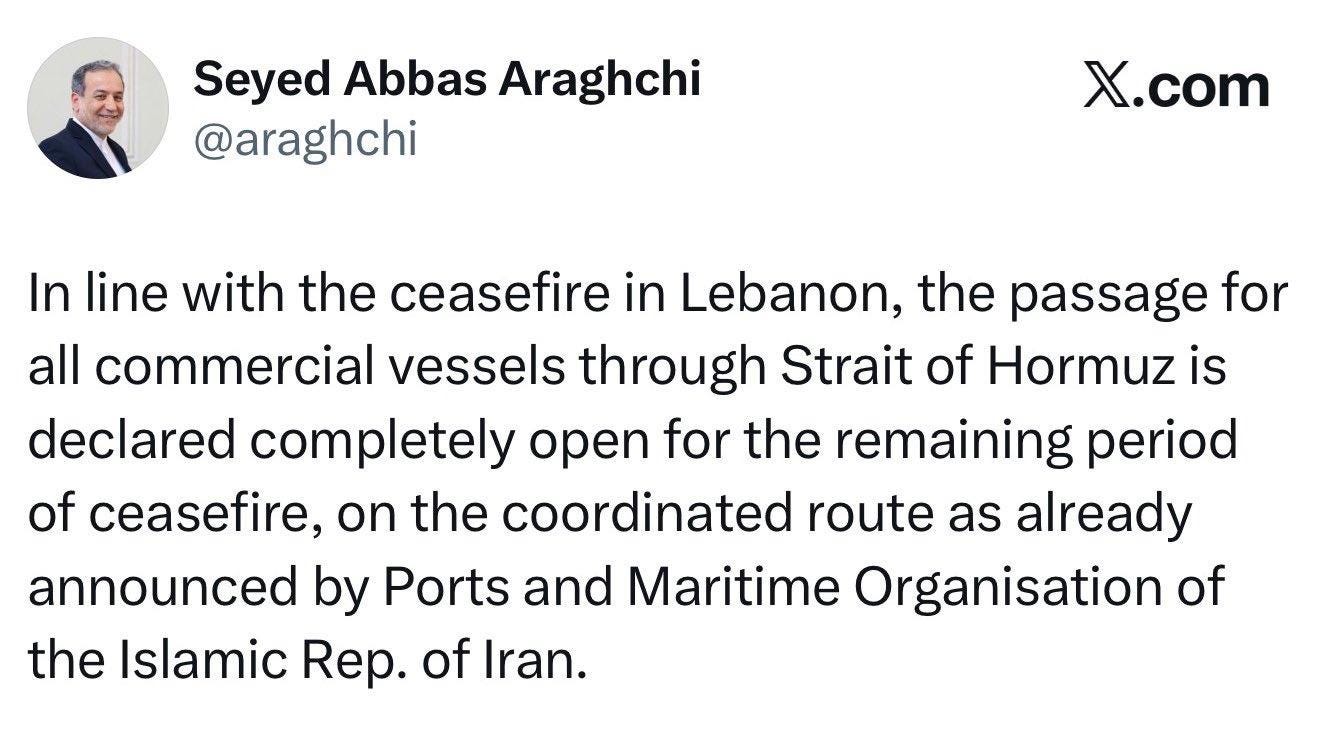
The ceasefire in Lebanon may offer temporary relief, but its foundations are shaky. With Washington imposing conditions, Israel facing battlefield setbacks—and even violating the truce within hours, Iran manoeuvring, and U.S. forces massing—the truce seems less a genuine peace effort than a manoeuvre in a larger geopolitical chess game. For observers wary of U.S. and Israeli intentions, the ceasefire is not an end to conflict—it is a prelude to the next phase.
The US Empire regards every anti-colonial militant & political organization in South Asia as their sworn enemy. They don’t want to admit it openly so they let Israel do the killing. But the Empire enjoys killing too. If you’re in the US or Israeli military you are a disgusting person.
It boggles the mind that anyone would think that Russia, China, Iran, Vietnam, Laos Cambodia or N. Korea wouldn't try to protect themselves considering the long history of the United States, Britain and other Western countries colonizing, bombing and subordinating them for decades or centuries. Breaking the non-proliferation treaty with hundreds of nuclear war heads Israel terrorizes all the surrounding countries slaughtering tens of thousands decade after decade. There can never be peace in the Middle East as long as Israel has nuclear weapons and an Iron Dome which they feel gives them impunity to periodically "mow the grass" as if the lives of their neighbors are mere fodder to be cut down. Disposing of Iran's Mossedegh, or Arafat, Maduro, Suleman, Aristide or other leaders and the recent peace negotiators will not endear these populations to the predation of those wanting to profit from their oil and other natural resources as is happening in Iraq, Venezuela, Libya, Nigeria and many other countries. These people aren't fools. Those who don't have nuclear weapons are being attacked, subordinated and robbed. They have no choice but defend themselves as best they can or go the way of Haiti or Cuba under the crushing heel of countries who have no mercy or conscience; only greed and violence.
The reason the USA was in Afghanistan. Vietnam, Korea, Japan, Laos, Cambodia, Poland, (e.g. Yellow site), Lithuania (Camp Violet), et al is to surround Russia and China and restrain them from developing and competing for natural resources and markets. Same reason for bombing and deploying starvation sanctions against the populations of Iraq, iran, Syria , Libya; Venezuela, or starve Cuba to sequester their resources: oil. And to please their billionaire paymasters like A.I.P.A.C. and avoid being blackmailed by Israel's Mossad operators like Robert Maxwell/Epstein. So the planet is flooded with refugees running from USA and Israeli bombs and soldiers. Then the power and war crazed sociopaths like Trump, Netanyahu, Tusk, Ali Khamenei, Starmer and Blair turn on the refugees as if the sociopaths haven't caused this hellscape in the first place.
The now embraced Syrian President Ahmad al-Sharaa took power Jan. 2025 after toppling Bashar al-Assad was previously a leader with Al-Qaeda known as Abu Mohammad al-Julani. He led Jabhat al-Nusra, Al-Qaeda-linked groups in Syria and previously fought in Iraq, where he was imprisoned by U.S. forces. The U.S
previously designated him a terrorist with a $10 million bounty on his head.