


There are things people in Gaza never say out loud.
Not because they aren’t true, but because dignity is the last thing they have left.
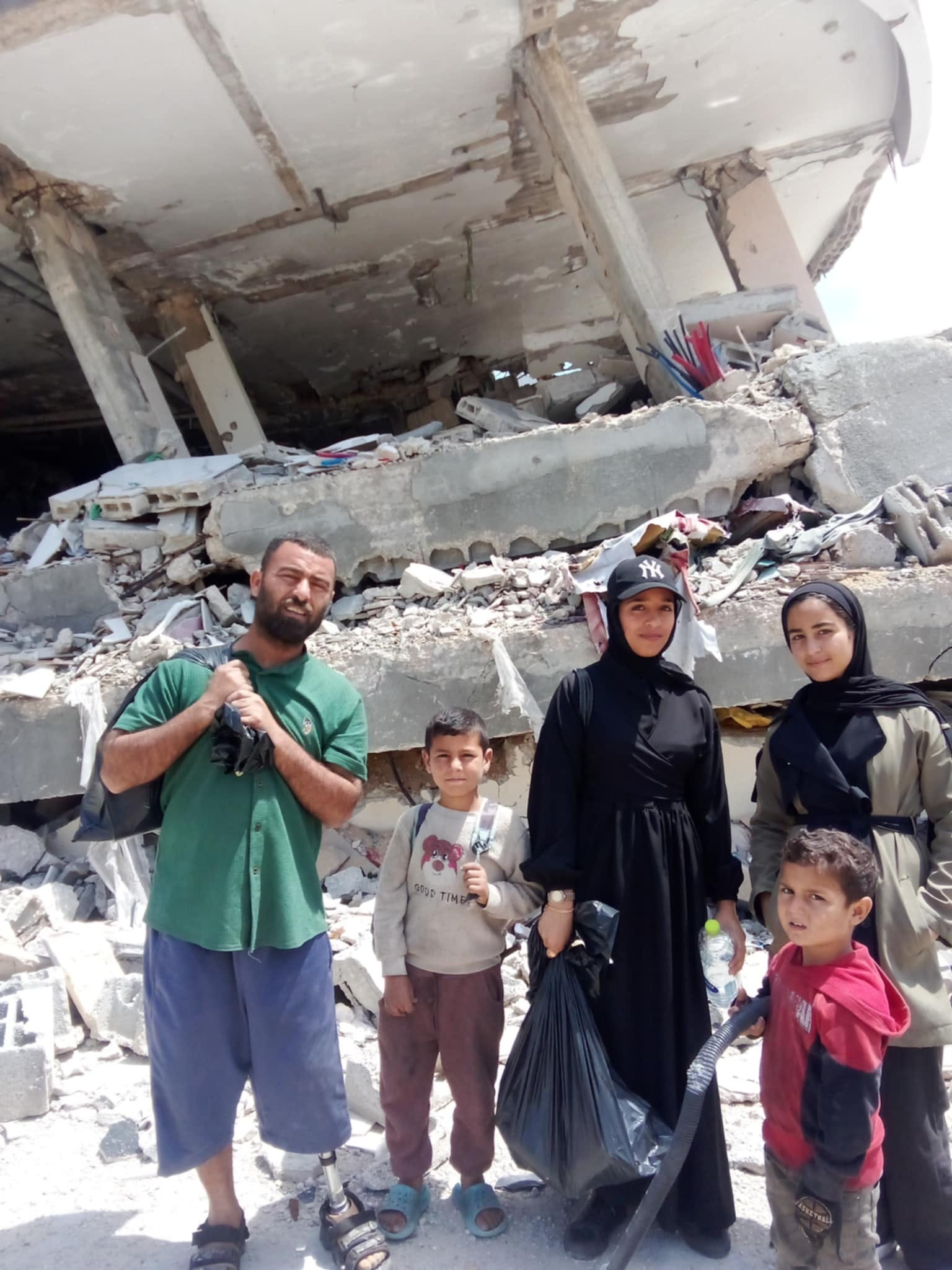
So when a father breaks that silence, even for a moment, it means the situation has become unbearable.
This is the story I’ve been carrying with me, the one I’m bringing to you as someone confiding in a community I trust. It’s not an “update.” It’s not a campaign. It’s a plea for a family trying to survive.
It’s about a 17‑year‑old girl named Etemad, and the family she is holding together with her own hands.
A Family Held Together by a Child
She is only seventeen, but a genocide forced her into adulthood long before she was ready.
Every day begins with the same impossible tasks:
- finding water safe enough to drink
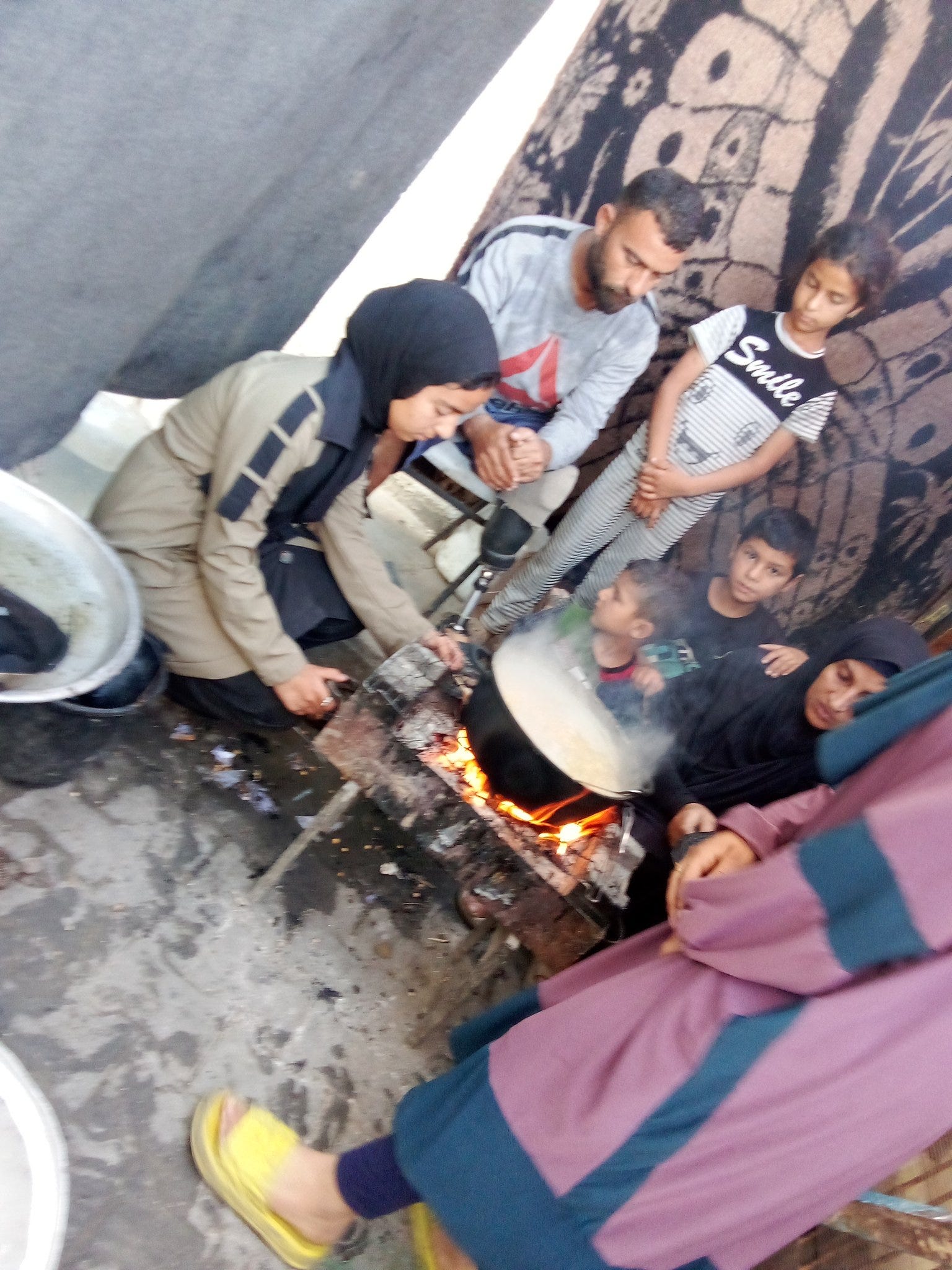
- walking to public food kitchens to collect whatever meal might be available
- returning home with enough to quiet the hunger of six younger siblings
And when she fails, the family goes to sleep with nothing but water in their stomachs.
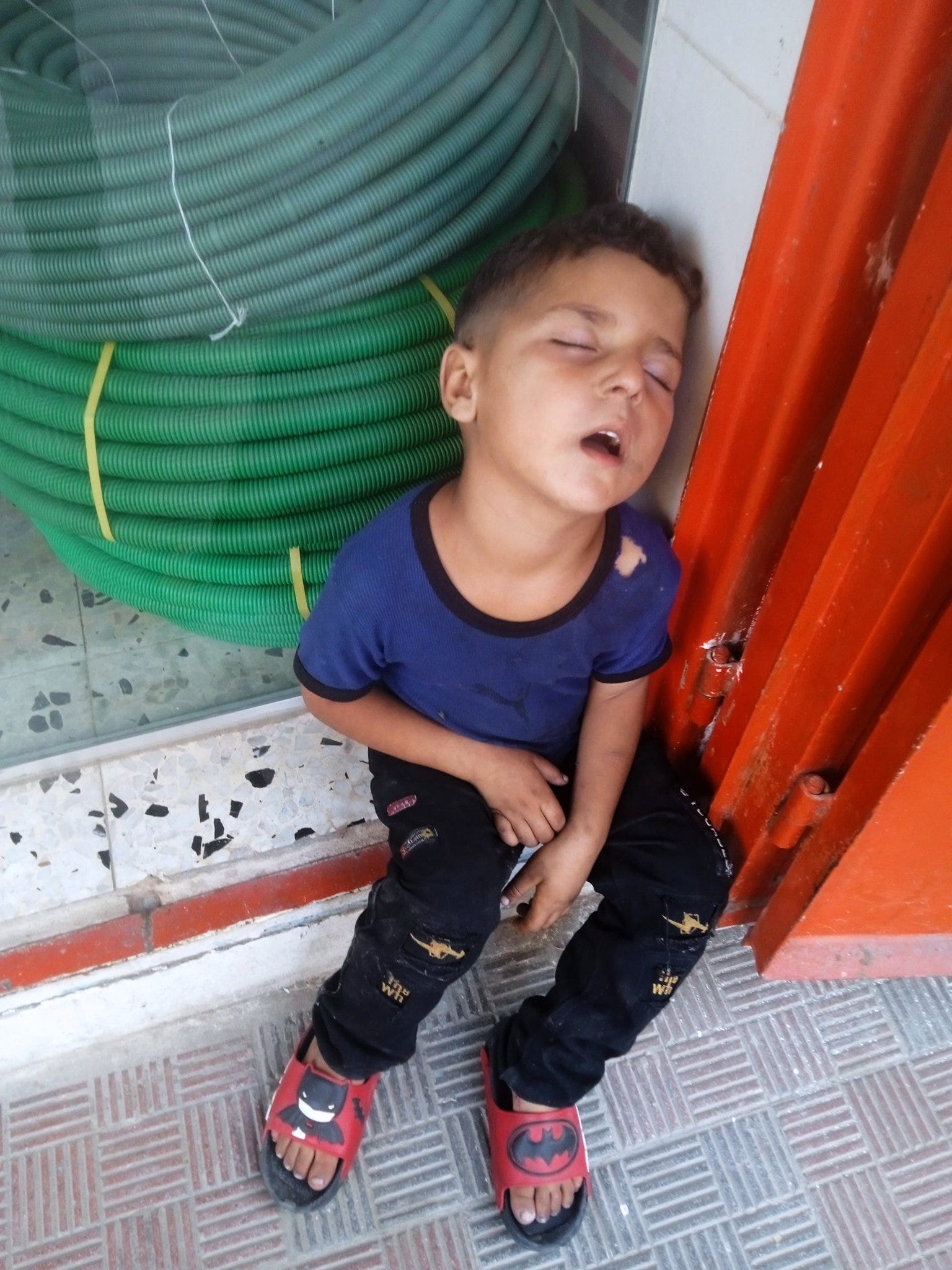
Her brothers cry from hunger and cold.
Some nights, they don’t even have that.
Their tent is torn, leaking, and barely standing. After the school they were sheltering in was bombed, this was all they had left.
Everything around them is destroyed.
Everything they once owned is gone.
They survive only through the kindness of strangers.
What They Need to Stay Alive
This is what Etemad is trying to secure for her family:
- a proper tent before winter
- blankets, floor mats, warm clothing
- daily food
- clean drinking water
- school supplies for all six children
- medicine for her father and her brother Mohammed
- painkillers, antibiotics, inhalers
These are not luxuries.
These are the bare minimums of survival.
The Father Who Never Speaks of His Pain
Her father, Ali, almost never talks about himself. He hides his pain the way so many fathers in Gaza do, quietly and without complaint.
But once, out of desperation, he allowed himself to speak.
“I am Ali from Gaza, supporting a family of 8 members.
My leg is amputated.
We live in a tent that is not suitable for living; it does not protect us from the cold or the rain. Whenever it rains, water floods our tent, and we have no safe place to go. Please help me.”
And another time, even more quietly:
“My foot was injured in the war and was amputated. Three of my children were also injured in the bombing. Please help me.”
These are not the words of a man seeking pity.
They are the words of a man who has run out of ways to protect his children.
Etemad’s Own Message
She carries the weight of eight lives on her shoulders, and still she studies under a torn tent.
“I am only 17, but war made me the backbone of my family.
I fetch the water, collect the food, care for my brothers, and study under a torn tent.
Please help us survive.
Help my father walk again.
Help my brother breathe.
Help my little siblings have a childhood again.”
Why I’m Bringing This to You
This family is living through a genocide, one funded in part by governments using our tax dollars. That isn’t said to shame anyone. It’s simply the truth that makes our responsibility clearer, and our ability to help more meaningful.
If we cannot stop the machinery of destruction, we can still choose to be part of the machinery of mercy.
How You Can Help, Even If You Can’t Donate
Their fundraiser is here:
https://chuffed.org/project/etemad
If you want to speak to the family directly, you can reach them on Twitter at @AliBanat63145.
And I want to say this clearly, because it matters:
If you can’t donate, sharing is just as important.
A restack with a personal note can bring this family into someone else’s line of sight, someone who might be able to give.
Engaging with the post — commenting, liking, interacting — pushes the story further into the algorithm. It tells the platform that this family matters.
Visibility is a form of aid.
Reach is a form of aid.
You are not powerless.
A Final Word
This isn’t just about charity.
It’s about refusing to look away from a family fighting to survive a catastrophe they did not choose.
Your support, whether financial or through sharing, can keep them warm, fed, and alive through the winter.
And may every act of mercy you extend to them return to you multiplied.