



From my dear brother Mohammad in Gaza,
I write this to you from the precarious canvas of Nuseirat, a central point of limbo, to document what we have lived through, not as victims, but as witnesses to the relentless arithmetic of loss. What our family of 20 has endured over these months—the endless motion, the sudden, total destructions, the agonizing poverty—must not fade into the rubble. It is our responsibility to record the reality of displacement, for it is a shared story, one that Gaza writes back to the world.
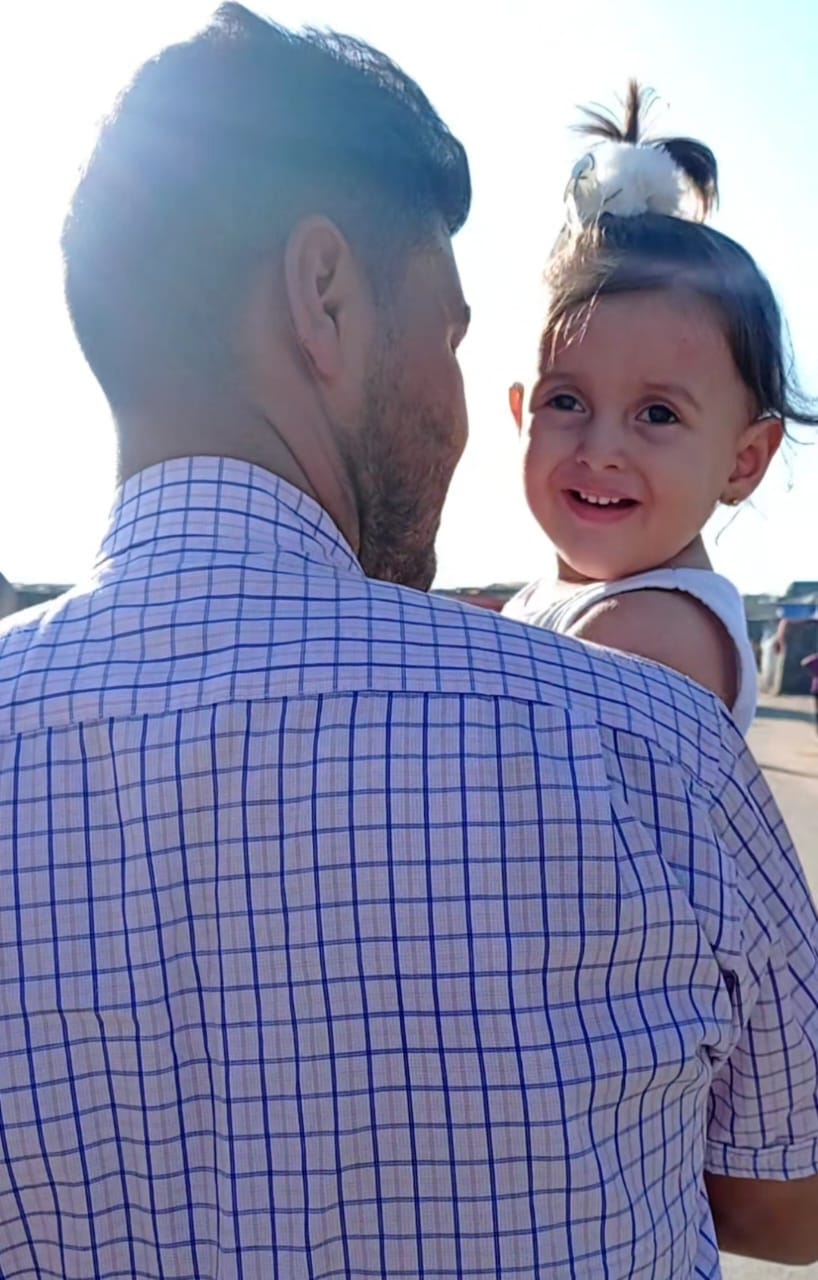
The Fall of the North: When Everything Began on Day One
The memory of those first hours in Beit Hanoun is a scar. We had built a future there, a generational anchor. The profound cruelty of our fate was rooted in the fact that our homes, newly completed just one month before the war, were instantly destroyed. This loss was not merely of shelter, but the instantaneous erasure of investment, hope, and generational security.
The war began on October 7th , and our immediate displacement came on the second day, driven by the intense violence that instantly engulfed the far north of the Gaza Strip. Beit Hanoun became one of the primary targets for the initial ground invasion, which commenced fully by October 28th. The speed of our exile set the tone for the months of chronic insecurity that followed.
For our family, the economic and emotional consequences of this initial rupture are reflected in the catastrophic damage across the entire territory. Official assessments confirm that the damage to the housing sector alone has reached an estimated cost of US$13.29 billion, a scale dramatically higher than any previous conflict. In North Gaza, where we lived, the destruction was nearly total. Satellite analysis conducted by February 2024 revealed that approximately 90% of all structures in the hardest-hit conflict zones had been either damaged or completely destroyed. There was, and remains, nothing substantial to return to. The immediate destruction of new, long-term housing symbolizes not just the loss of physical assets, but the systematic undoing of the community’s ability to stabilize or progress, forcing us immediately into the cycle of multiple, exhausting flights.
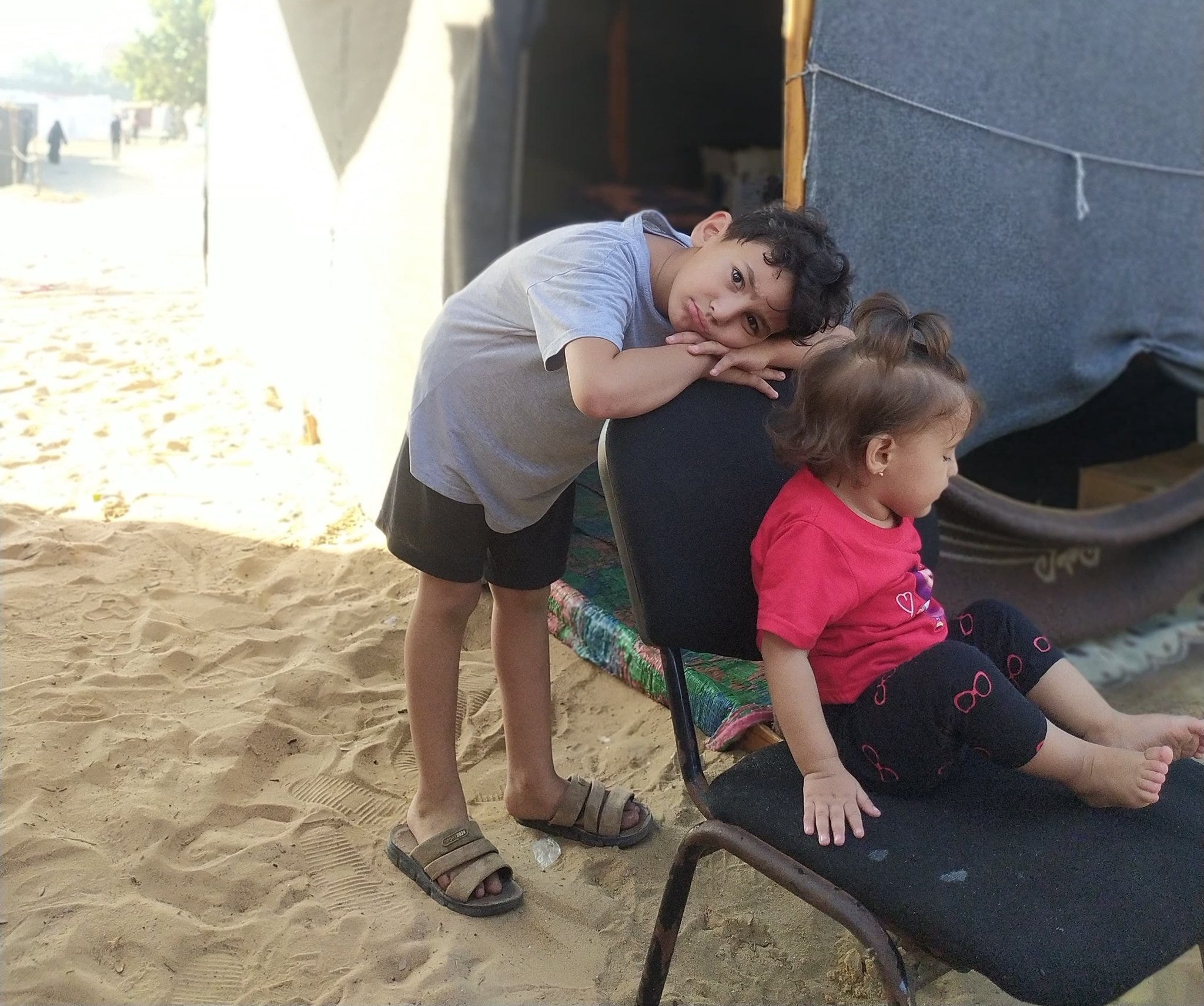
The Great Southward Trek and the Arithmetic of Loss
The initial flight led to a chaotic, reactive search for safety. We moved seven times inside Gaza City before finally giving up and fleeing south to Rafah on the seventh day of the war. This constant motion was the hallmark of the early weeks. Our experience of seven rapid displacements is recognized by humanitarian bodies as tragically typical. Experts estimate that approximately nine out of ten people in Gaza have become internally displaced, and crucially, many have been displaced multiple times.
The massive displacement began in earnest by October 13th, following widespread evacuation orders that affected over one million Palestinians north of Wadi Gaza. We joined the great southward trek. For our extended family—a unit of 20 individuals, including four distinct households of varying ages and numerous children—every move was a logistical and physical nightmare. The sheer scale of moving 20 people means that displacement is not a temporary inconvenience; it becomes a humanitarian crisis in and of itself.
The constant need to move seven times within Gaza City before fleeing south suggests the utter lack of safe staging areas. Each move was driven by proximity to active conflict or the sudden collapse of lifelines. Furthermore, while some displacement was undertaken via vehicles, reports confirm the grueling nature of the journey south, often undertaken on foot, dragging carts loaded with meager possessions. The average cost for transportation south was prohibitive, exceeding $3,000, placing such relief out of reach for many. Our multiple, localized displacements likely reflected this economic barrier, forcing us into short, reactive flights rather than a single, expensive, and ultimately futile flight to long-term safety.
This series of short flights reveals a critical systemic failure: the established humanitarian routes and supposed safe areas offered no genuine, lasting protection. The unrelenting fear and constant uncertainty generated by these successive evacuations compound the initial trauma of losing our home, replacing it with sustained, anticipatory anxiety that continues to fuel psychological distress.
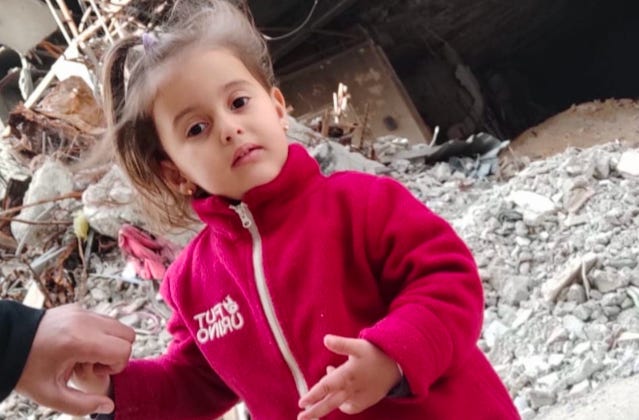
The Seven Months of Bare Survival: Rations, Fear, and the Cost of Milk
Our arrival in the south—Rafah—marked the beginning of seven months characterized not by safety, but by severe poverty and an agonizing struggle for basic necessities: food, clothing, bedding, diapers, and milk.
The struggle to feed our family of 20 was constant and often life-threatening. The widespread hunger across the strip, affecting the entire population, resulted in famine being officially confirmed in the Gaza Governorate area as of August 2025, although conditions of catastrophic hunger were present much earlier. My brother and I faced mortal danger more than once simply "while searching for food, milk, and diapers in the streets of Rafah." This physical danger is directly related to the near-total blockade on humanitarian assistance, which has been reported to contribute to babies dying of severe acute malnutrition. When aid is restricted, the simple act of procuring food becomes an act of high-risk activity, forcing fathers into a form of active combat simply to keep their children alive.
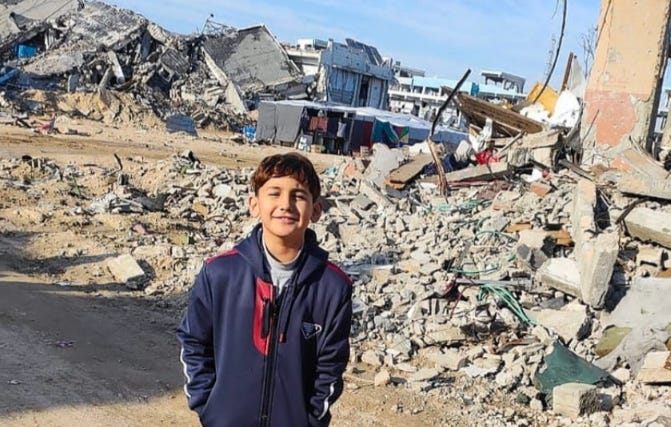
The Crisis of Scarcity
The particular shortage of infant necessities speaks to the collapse of the social fabric. For families with children, the lack of basics was devastating. Due to severe shortages, resources confirmed that mothers were forced to resort to using plastic bags as makeshift diapers, while baby formula was replaced by anise water, often leading to low birth-weight babies due to maternal malnutrition.
Poverty was exacerbated by economic collapse. Prices for essential goods surged dramatically. Reports indicated that black market prices made survival economically untenable; butter cost $25 and eggs reached $40. For a large displaced family dependent on sporadic aid, the inability to buy or secure these items plunged us into deeper destitution.
Moreover, our suffering spanned the difficult winter of late 2023. The need for "clothing, bedding, diapers, and milk" was reflected in humanitarian appeals that went unmet. Aid agencies reported massive difficulties in bringing necessary winter kits into Gaza, managing to distribute only 19,000 kits out of 220,000 procured. The environment was hostile, and the international response, constrained by severe restrictions on aid flow, could not provide even the minimum necessary materials for survival.
This severe lack of basic necessities, validated by the declaration of famine and the desperate measures taken by mothers, transformed the humanitarian shortage into a moral catastrophe. The environment of scarcity actively stripped away dignity and physical health for our 20 members, especially the young children.
Donate to Mohammad and his family https://chuffed.org/project/154016-help-leens-family-survive-in-gaza
You can follow him on twitter too : https://x.com/starship9o?s=21
Please kindly share Mohammad’s story.
https://substack.com/@rachidcarroumlarbi/note/c-180388102?r=1x5ir1&utm_source=notes-share-action&utm_medium=web
Que bella eres Kathy, por dentro y por fuera. Gracias por tenerme entre tus amistades.