


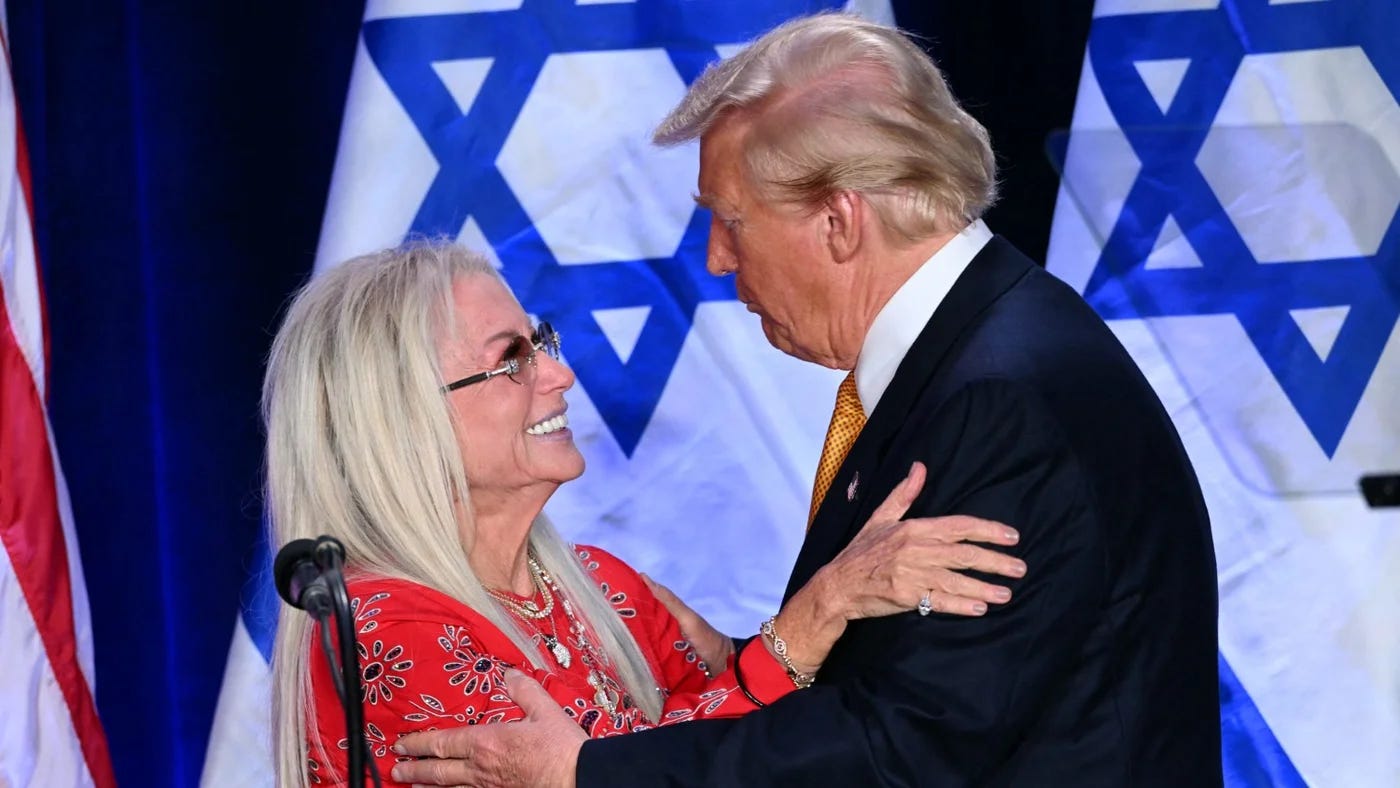
Miriam Adelson’s Political Reach and USC’s Public Image
Miriam Adelson is not just a major Republican megadonor — she is one of the most influential figures shaping the party’s foreign‑policy posture toward Israel. Her financial support has elevated politicians who champion unconditional U.S.–Israel cooperation, and few have benefited more from her backing than Senator Ted Cruz. Their long‑standing alliance places Adelson at the center of a political network that consistently prioritizes Israeli military interests.
When USC’s cadaver program came under scrutiny, Adelson’s role as a non‑voting member of the university’s Board of Trustees immediately became part of the public conversation. She has no operational authority over USC’s medical programs, but her presence alone was enough to shift how the controversy was interpreted. Critics argued that her political influence — especially her support for Cruz and other pro‑Israel lawmakers — symbolically tied USC to a broader ideological agenda.
In short, the scandal was not just about cadavers. It was about the political gravity Miriam Adelson brings with her wherever she goes.
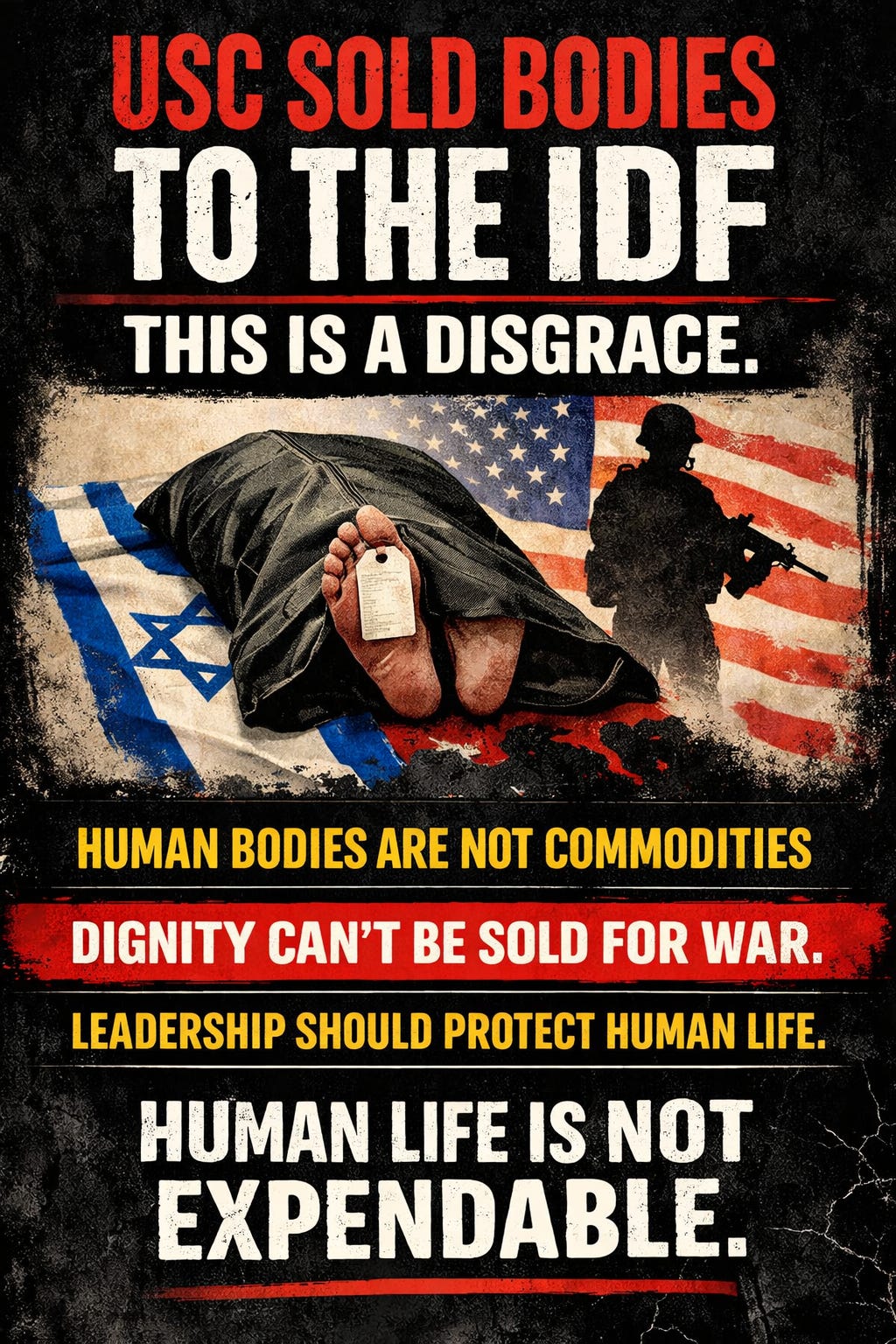
USC’s Cadaver Program and the Navy–IDF Training Link
USC supplied donated human cadavers to the U.S. Navy for trauma‑surgery training funded by federal programs. Israeli Defense Forces (IDF) medical personnel participated in these sessions as part of long‑standing U.S. military cooperation.
Under ordinary circumstances, this partnership might have been viewed as routine. But once Adelson’s name entered the discussion, the training program was reframed as part of a political ecosystem in which donor influence, foreign‑policy alliances, and institutional decisions appear intertwined.
Adelson, Cruz, and the Political Context
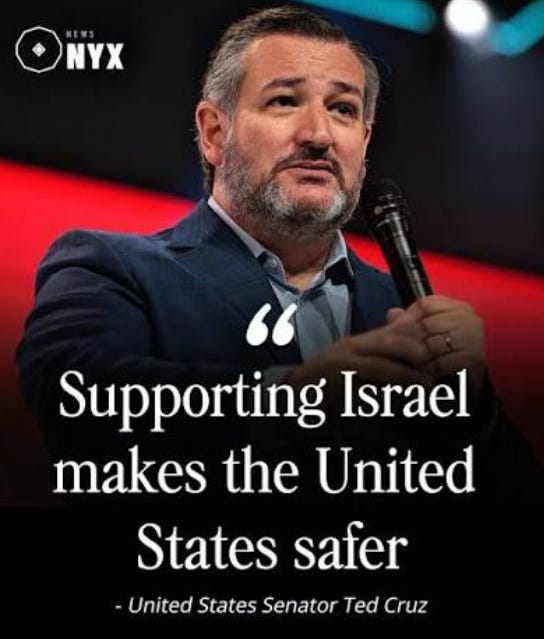
Miriam Adelson’s political network includes Ted Cruz, one of the most outspoken pro‑Israel voices in Congress. Cruz has consistently aligned himself with Adelson’s priorities, from opposing the Iran nuclear deal to advocating for expanded U.S.–Israel military cooperation. The Adelson family supported Cruz during the early stages of the 2016 Republican primaries, cementing a relationship built on shared ideological commitments.
Because of this connection, public discourse quickly linked:
Adelson’s position at USC
her political alliance with Cruz
her influence over Republican foreign‑policy priorities
and USC’s involvement in Navy–IDF cadaver‑based training
This created a perception — whether accurate or not — that the program existed within a political environment shaped by Adelson’s worldview and the politicians she empowers.
The Ethical Line: Donated Bodies and Military Training
The deepest discomfort surrounding the controversy comes from the use of donated human bodies. Cadavers are given for science, education, and medical advancement — not for geopolitical entanglements. When these donations become part of military training involving foreign forces, the ethical stakes rise sharply.
Critics argue that Adelson’s political network has spent years defending U.S.–Israel cooperation at any cost, even when it intersects with sensitive humanitarian issues. And Ted Cruz — one of Adelson’s closest political allies — has shown no willingness to confront or condemn the use of donated American bodies in foreign military training. His silence reinforces the perception that political loyalty outweighs moral responsibility, especially when the issue touches Israel.
The Larger Question
There is no evidence that Miriam Adelson directed USC’s cadaver program. But her influence shapes how the public interprets it. Her political alliances — especially with figures like Cruz — create an environment where institutional decisions are viewed through the lens of donor power and ideological commitments.
If political leaders and donors want to champion these alliances, they must also confront the consequences — including public outrage when humanitarian donations become entangled in foreign military training.
Until then, the question remains:
How many ethical boundaries must be crossed before political loyalty finally yields to basic human decency?
The USC cadaver scandal exposes a deeper truth: human dignity should never be collateral in someone else’s political agenda. Miriam Adelson’s influence and Ted Cruz’s unwavering loyalty to her priorities have helped create a political climate where ethical boundaries blur, and donated bodies become part of geopolitical strategy. Until that changes, the public’s outrage will remain not only justified, but necessary.
That bitch funds genocide enables
Forget the cadavers; far more interesting is her daughter, from her first marriage, and ICON