


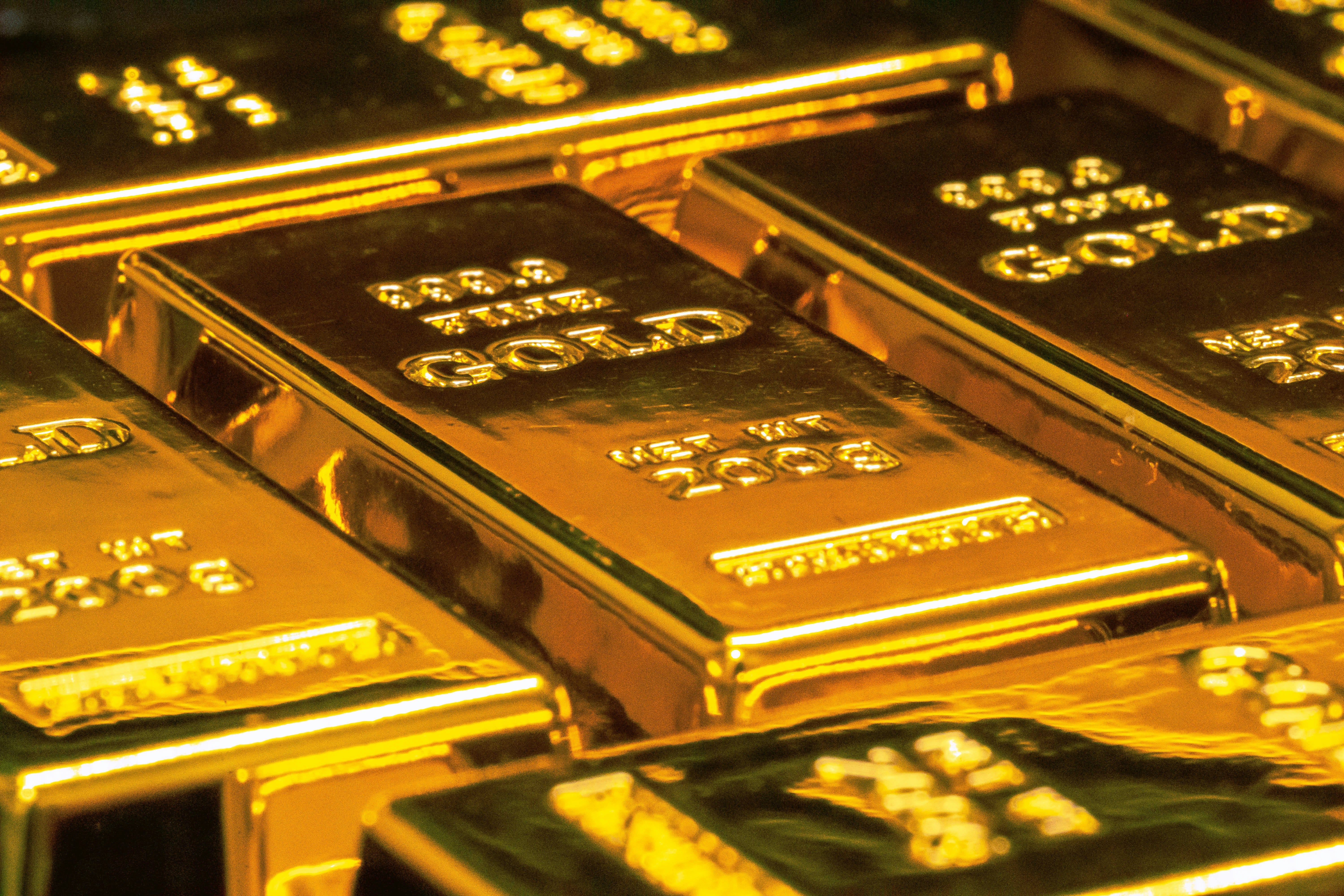
Sudan’s War and Its Enablers, 2nd Installment
The second installment in our series on Sudan’s war and its enablers. The first traced the mercenaries and drones into El Fasher; this one follows the money that pays for them from artisanal pits in Darfur to the trading floors of Dubai.
In the opening installment of this series, we followed foreign fighters and Emirati-linked hardware into the fall of El Fasher. But a paramilitary does not besiege a city for eighteen months on credit. It needs hard, convertible, sanctions-resistant cash, and for the Rapid Support Forces that money is gold.
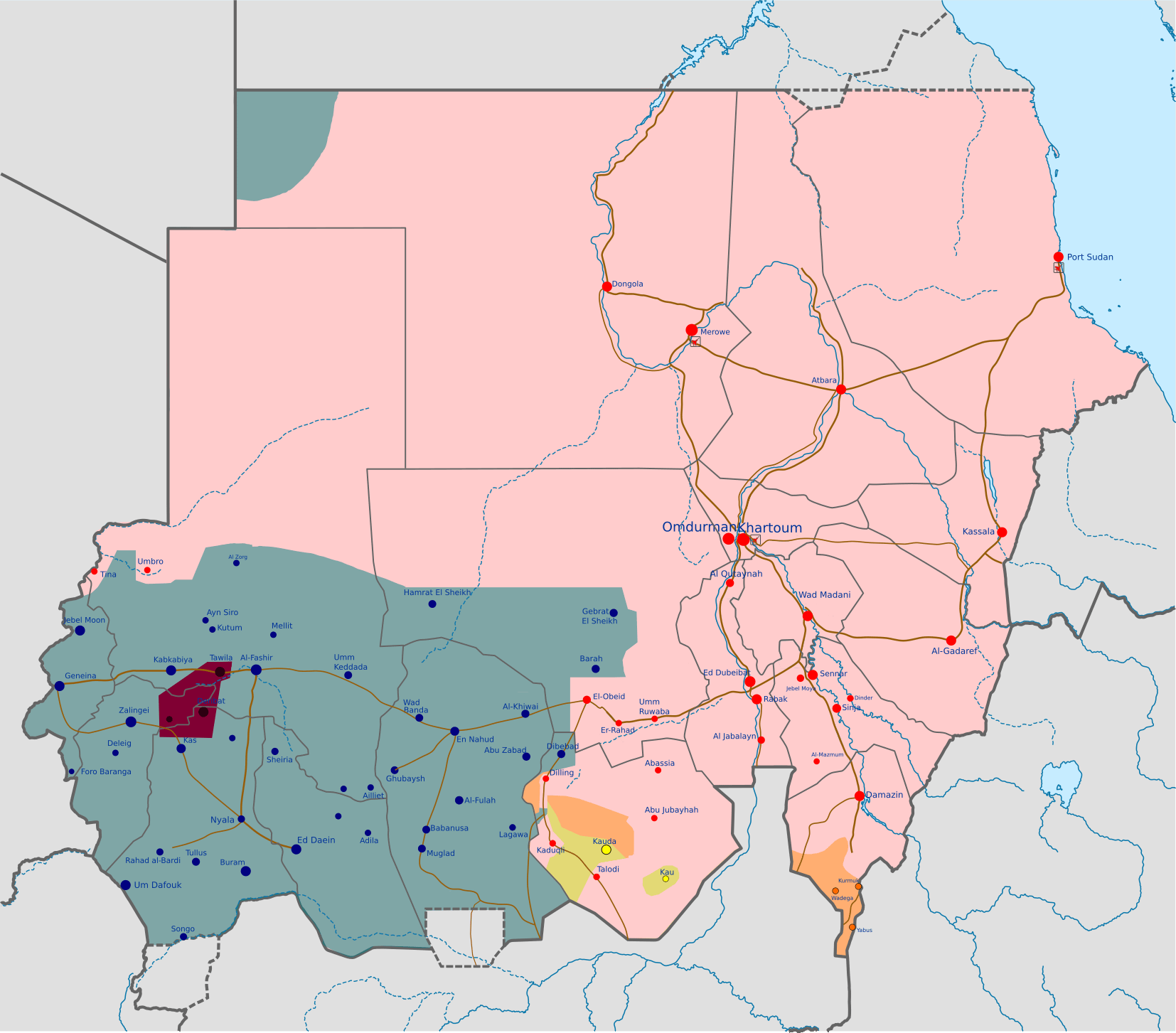
It is gold — dug from the ground of Darfur and Kordofan and, by the account of UN investigators, human-rights organizations, and Western governments alike, ending its journey in the United Arab Emirates. This is the war’s financial circuitry, and it is where accountability is both clearest and most stubbornly evaded.
The war chest
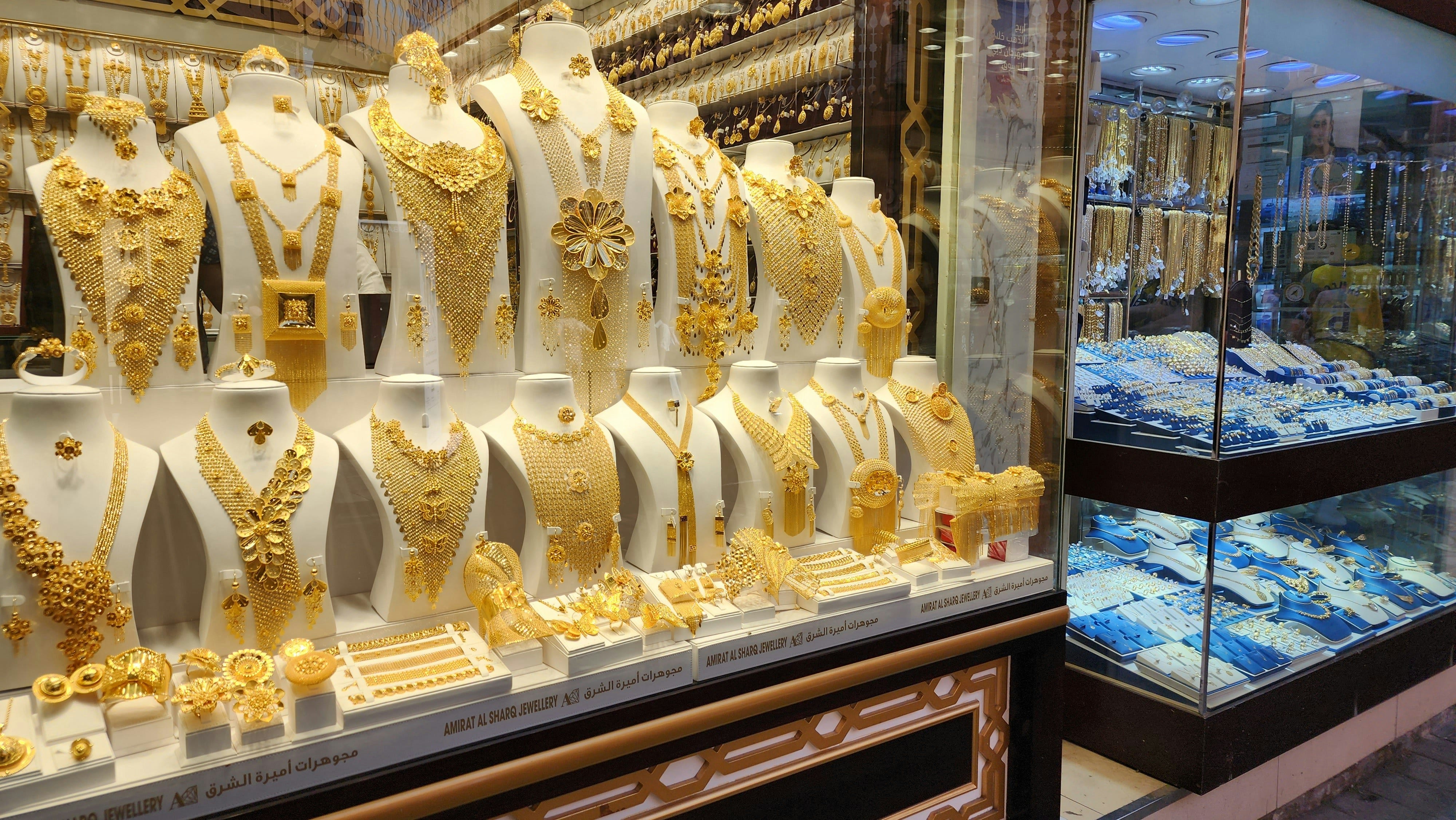
Long before the current war, the RSF’s commander built a fortune in gold. By 2017, control of most mines in North Darfur had shifted to the Rapid Support Forces under Mohamed Hamdan Dagalo (Hemedti). The engine of that fortune was a family firm. Along with his elder brother, Abdulrahim Dagalo, Hemedti had established Al Junaid Company for Multi Activities in 2009; the group became a sprawling collection of businesses that eventually encompassed gold mining, the livestock trade, tourism, abattoirs, and construction. Al Junaid’s asset base in the early 2020s was valued at around $1 billion. The Sudan expert Alex de Waal has argued that this gold wealth is precisely what allowed Hemedti to build what he calls a “private transnational mercenary enterprise,” mainly through his family’s Al-Junaid Multi Activities Co — sanctioned by both the United States and the European Union.
How much the war chest holds is genuinely uncertain, and the figures should be read as estimates.^1 A UN panel of experts last year concluded that Daglo’s gold wealth, through a network of up to 50 companies, helped him buy weapons and bankroll his war effort. Three former Al-Junaid engineers estimated the company’s wartime earnings at a minimum of $1 billion per year, based on approximate production and gold prices. Both the physical route and the accounting tactics are improvised, adapted as needed. According to France 24/AFP, one former engineer detailed how at least 150 kilograms of gold per month from Darfur’s southern border is transported first to South Sudan, then flown to Uganda and Kenya, before finally reaching the UAE. Other shipments move overland. The RSF exploits artisanal mining operations to extract vast quantities of gold, which they smuggle through neighboring countries like Chad, Libya, and Egypt. These illicit shipments funnel primarily into the UAE’s gold markets, particularly Dubai, one of the largest gold refining and trading centers globally.
The Dubai Laundromat
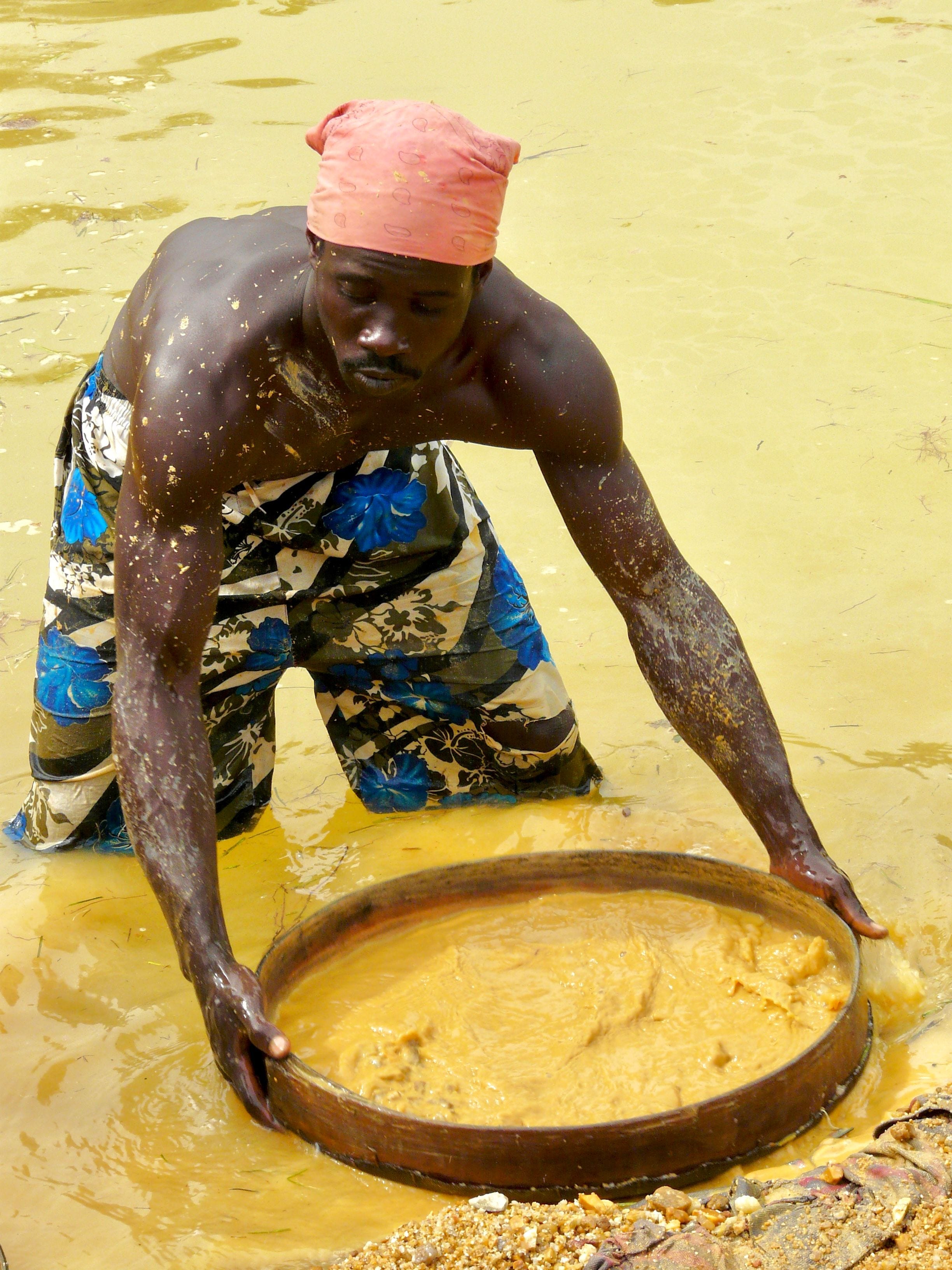
Gold in the ground is not money. It becomes usable, spendable, weapons-buying money only once it is sold. That is the function The Sentry, an investigative organization that tracks corruption, says a cluster of Emirati companies has performed. In an October 2025 report, The Sentry described how enablers in Dubai set up a business network of more than a dozen firms linked to RSF leader Mohamed Hamdan Dagalo, or “Hemedti,” and his family. The companies include jewelry trading firms, an interior design business, and a management consultancy.
Among them, the group found, were at least four Dubai-based gold and precious metal trading companies. The RSF has long been accused of funding its violence by exploiting and smuggling gold from Darfur to the UAE, and these companies provide a glimpse into the conflict gold supply chain.
The network’s ownership is a family affair layered over a bench of loyalists. The RSF’s business network is ultimately controlled by the Dagalo family. Initially, Hemedti and his brothers took key positions in these companies: Hemedti and Abdulrahim were the directors of Al Junaid, and Algoney owned Tradive. As scrutiny grew, the family leaned on lieutenants — figures like Abozer Habib, sanctioned as the owner of the RSF-linked Capital Tap Holding, and Mazin Fadlalla, who by The Sentry’s account previously bought hundreds of Toyotas for the RSF to convert to “technicals,” pickup trucks with mounted machine guns.
The U.S. government has put much of this in writing. When the Treasury sanctioned the network alongside the January 2025 genocide determination, it described one node bluntly: Capital Tap Holding L.L.C., a UAE-based holding company that manages 50 companies over ten countries, has provided the RSF with money and military equipment.
Another designated firm shows the gold-to-cash conversion directly. A Zumoroud and A Yaqoot Gold & Jewellers L.L.C. (AZ Gold) is a UAE-based gold purchasing company also managed by Abu Dharr. AZ Gold has purchased gold from Sudan, presumably for the benefit of the RSF, and subsequently transported it to Dubai. Algoney maintained access to AZ Gold’s bank account in the UAE, which held millions of dollars.
What makes the structure durable is that it adapts. Analysts who mapped the corporate filings found the network behaves less like a company than like an evasion reflex: between 2023 and 2025, as Western sanctions targeted RSF-linked entities, shareholdings in some companies shifted to new proxies days before or after designations. Capital Tap Holding and Horizon Advanced Solutions, for instance, altered their ownership structures immediately before U.S. and EU measures were implemented. Sanction a firm, and a near-identical one is incorporated weeks later under a new name.
Ninety to ninety-seven percent
Step back from the individual companies and the scale of the trade is staggering — and it implicates the destination as much as the source. By multiple accounts, 90 to 97 percent of Sudan’s legal exports of gold go to the UAE. The value is measured in billions.
Chatham House, in a March 2025 study, found — citing the Central Bank of Sudan — that “[I]n 2024 almost 97 per cent of official gold exports (from SAF-held areas) were to the UAE, earning $1.52 billion,” and concluded flatly that “the multi-billion-dollar trade of gold sustains and shapes Sudan’s conflict.”
Swissaid, which tracks African gold flows, reported that in 2024 the UAE imported 29 tons of gold directly from Sudan, up from 17 tons in 2023, along with significant quantities transiting through neighboring countries: 27 tons from Egypt, 18 tons from Chad, and 9 tons from Libya. The UAE is not a bit player in this market; it is close to its center. In 2024, the country imported 1,392 tons of gold, valued at USD 105.4 billion, ranking as the world’s second-largest importer.
The permissive environment is documented. The role of the Dubai gold market, one of the world’s largest, in enabling illicit financial flows contributed to the UAE’s placement on the Financial Action Task Force (FATF) grey list from 2022 to 2024. The FATF, which monitors global efforts to prevent money laundering and terrorist financing, cited weak oversight of gold trading and free zones as major vulnerabilities.
The advocacy verdicts are harsher still — an Anti-Money Laundering Network report published in November 2025, titled “Gold for Genocide,” argued the UAE provides “a critical financial artery for conflict gold trade and by extension, the RSF’s genocidal campaign” — though that is a campaigning characterization, not a legal finding, and the UAE flatly denies it.
Here honesty requires a complication the RSF’s critics sometimes skip: the gold pipeline into the UAE is not the RSF’s alone. Sudan’s army-backed government exports the overwhelming share of its official gold to the same destination. The Port Sudan authorities have attempted to overcome the constraints in selling gold to the UAE by moving production from SAF-controlled areas through Egypt, as well as finding alternative markets for its gold, notably seeking to persuade Qatar to build a refinery. One of the crown jewels of the government’s official industry, the Kush mine, was built by Russia and is owned by “Emiral Resources,” a Dubai-based company. According to AFP, the Kush mine is “the Russian-built facility, owned by Dubai-based Emiral Resources,” which lists Kush among its holdings alongside subsidiary Alliance for Mining. The New York Times reported Sudanese officials discovered in 2021 that the Kush mine “had actually passed into the hands of mysterious new investors from the United Arab Emirates” — Emiral Resources, founded by Russian executive Boris Ivanov, behind which stood Sheikh Tahnoon bin Zayed, the Emirati national security adviser.
In other words, the UAE sits at the end of the gold road for both belligerents — a fact that complicates the simplest version of the story even as it deepens the underlying one: whoever is doing the killing, the profits keep flowing to the same markets.
What sanctions can and can’t do
Washington has not been idle on the financial front, and its record here is more credible than on arms. A full year before the genocide determination, in January 2024, the U.S. Treasury designated four companies generating revenue from, and contributing to, the conflict in Sudan — two affiliated with the RSF and two affiliated with the Sudanese Armed Forces, a deliberately even-handed pairing that included both Al Junaid and the RSF’s Dubai procurement arm. Tradive General Trading L.L.C. is a front company controlled by RSF Major Algoney Hamdan Dagalo. Based in the UAE, Tradive General Trading L.L.C. is a procurement company that has purchased vehicles for the RSF in the past. Some of these vehicles may have been retrofitted with machine guns. The January 2025 round went further, hitting Hemedti and, in the Treasury’s telling, seven UAE-based companies at once.
But designations are slow, and the network is fast. The same adaptive cycling that analysts documented — proxies swapped in, licenses re-filed, activities relabeled — means each sanctioned shell can be replaced before the ink dries. And the ultimate market has faced no comparable penalty: for all the UN reports and NGO investigations, the UAE government has, its critics say, taken little meaningful enforcement action against the traders and refiners profiting from Sudanese gold. Abu Dhabi’s answer is categorical. Asked about the gold trade, an official said the country “firmly rejects any groundless allegations regarding the smuggling and profiting of gold from Sudan during this humanitarian catastrophe.”
Closing
Follow the gold and you arrive, again, at the same uncomfortable geography as the mercenaries and the drones: a war fought in Darfur and financed, laundered, and legitimized a thousand miles away.
The sourcing here is strong and largely convergent — UN experts, Chatham House, Swissaid, The Sentry, and the U.S. Treasury’s own designations tell a consistent story about how conflict gold becomes cash and cash becomes weapons.
What remains missing is consequence: the mines keep producing, the shells keep re-registering, and the market keeps buying. The UAE denies complicity, and no court has ruled on it. But accountability for a war economy does not require a verdict to begin — it requires the will to trace the money and act on what the tracing shows.
The next installment turns to the other side of the ledger: the SAF’s own backers, and the gold, drones, and diplomacy that keep the army in the fight too.
If this reporting is useful to you, help keep it going. This ongoing series on Sudan’s war economy and the states profiting from it runs at Manufacturing Dissent, cross-posted from Shadows of Empire; a free or paid subscription at either funds the next dig through the corporate filings and trade data. If you’d like to support the hours of verification behind pieces like this one directly, you can buy me a coffee — and if you know someone in the gold or finance world, send this their way. The trade runs on people assuming no one is watching.
— Dede Bell