


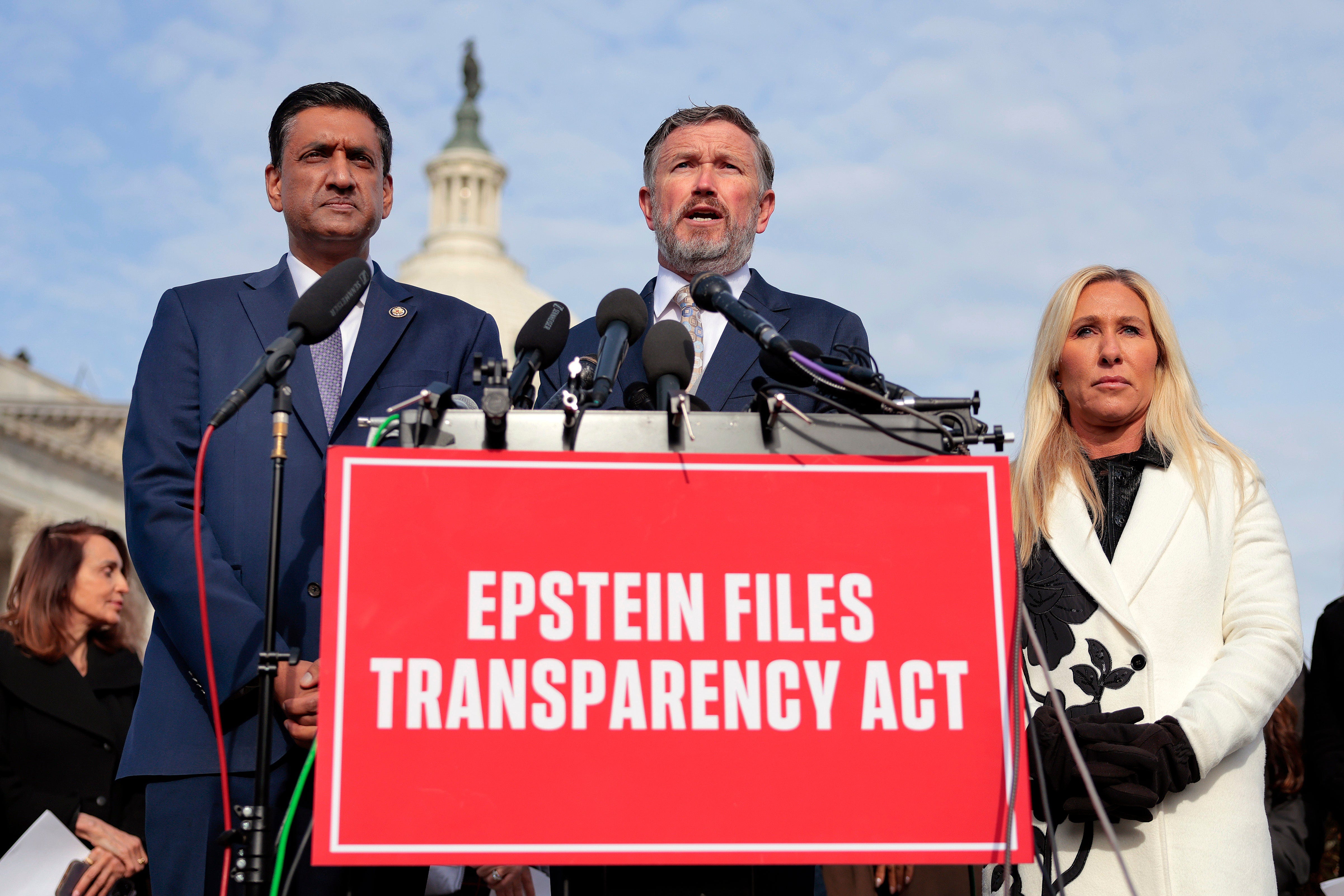
Thomas Massie deserves credit for introducing the first Epstein Files Transparency Act. He got it through the House by a vote of 427–1 (Rep. Clay Higgins (R-Louisiana) was the only "no" vote. 🤨). The Senate passed it by unanimous consent, and it was signed into law.
That was the easy part.
The hard part was making sure the law actually meant something.
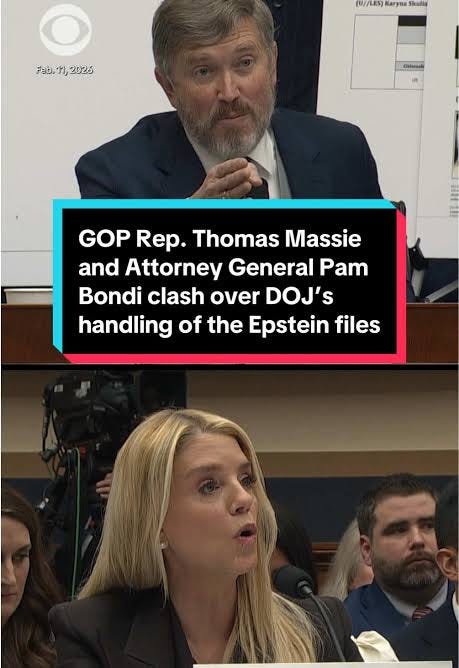
When critics argued that the Department of Justice wasn't fully complying, Massie issued statements, gave interviews, partnered with Rep. Ro Khanna, and supported legal efforts challenging the DOJ's implementation.
Blah blah blah...
The DOJ still wasn't compelled to do what many supporters of the law believed Congress intended.
That raises the question I think every voter should ask:
If the law wasn't producing the intended result, why wasn't Congress escalating?
Passing legislation isn't the finish line.
It's the starting line.
Congress has oversight authority. It can hold hearings. Committees can issue subpoenas. Congress controls appropriations. It can demand testimony, investigate agencies, and make continued noncompliance politically expensive.
If exposing child rapists and pedophiles was truly as important as lawmakers claimed, why wasn't everything being thrown at the wall? If their own children had been the victims, do you really think their response would have looked the same?
Massie did not fight with the intensity that the law—and its implications—required.
Because introducing a bill is only part of the job.
Seeing it enforced is the rest of the job.
If a firefighter sprayed water on a burning house for thirty seconds and then walked away while it was still on fire, he'd be fired—or worse yet, sued.
We don't judge firefighters by whether they showed up.
We judge them by whether the fire was put out.
Government shouldn't operate on participation trophies.
It should operate on results.
And if Congress passes a law that the Executive Branch can ignore—or appear to ignore—without meaningful consequences, then voters have every right to ask:
What's the fucking point of the law?
Why wasn't more done?

Now Massie has introduced Epstein Transparency Act II, legislation designed to give the first law more teeth by creating additional legal avenues to challenge DOJ noncompliance.
Maybe this is the missing enforcement mechanism Act I lacked.
Maybe it's exactly what should have been included from the beginning.
Or maybe we're simply watching Congress respond to the failure of one law by writing another, without first exhausting every oversight power it already possessed.
Will Act II finally accomplish what Act I couldn't?
Or will we be having this same conversation next year about Epstein Transparency Act III?
Because at some point, Americans have to stop measuring success by the number of bills introduced and start measuring it by whether the government actually follows the laws Congress passes.
Manufacturing Dissent exists because of you. We’re independent—powered only by readers and listeners. For less than a coffee, you can join us. Annual memberships are 30% off. Stand with us. Fuel citizen journalism. Keep dissent alive.
This article was contributed to Manufacturing Dissent by Just Jenny. Please support and subscribe to Jenny.
I hate to be skeptical but I don’t think there will ever be resolution/accountability for the victims of Epstein and his accomplices. The cabal that wields most of the power in the US will not let it happen.
France is starting a new Epstein investigation.
BRUNEL, MARIE, MAXWELL