


Dubai has spent years pretending it lives above the region it sits in. A shiny bubble floating over the Middle East, untouched by the chaos around it. Then February 28 arrived, and Iranian ballistic missiles tore through the sky. Within hours, the busiest international airport on earth went quiet. Not slowed. Not partially disrupted. Quiet.
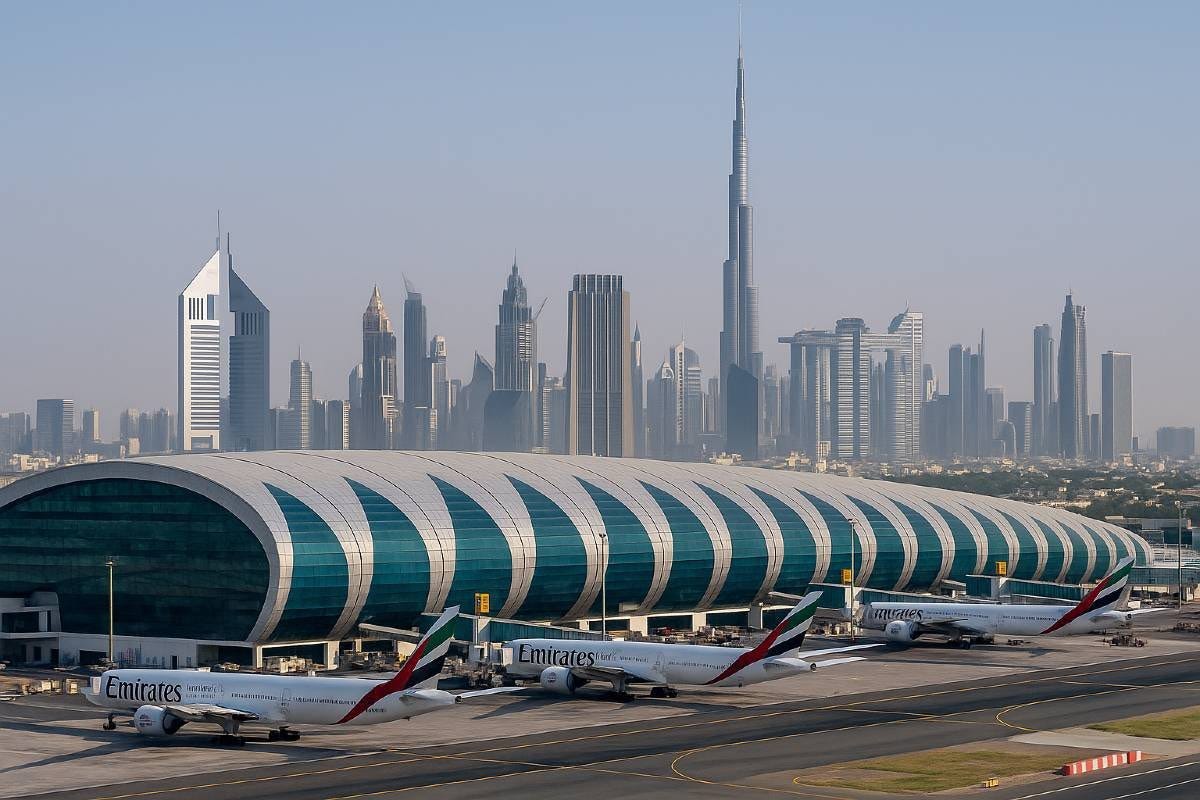
Both Dubai International and Al Maktoum International shut down. The official announcement confirmed a full stop. More than 280 flights were canceled. Another 250 were delayed. The airspace that normally moves more international passengers than anywhere else on the planet simply went dark because Iranian missiles were cutting across it.
The UAE has always sold itself as untouchable. That story didn’t survive the morning.
The Aviation World Fell Apart In Minutes
The shutdown didn’t just cause delays. It broke the system.
Emirates stopped flying. Etihad stopped flying. Qatar Airways froze everything after Doha’s airspace closed. Air India canceled every single flight to every destination in the Middle East. Turkish Airlines pulled out of Bahrain, Iraq, Iran, Jordan, Kuwait, Lebanon, Oman, Syria, Qatar, and the UAE until at least March 2. Lufthansa cut Dubai. Air France cut Tel Aviv and Beirut. Wizz Air canceled Israel, Dubai, Abu Dhabi, and Amman until March 7. British Airways was hit. Virgin Atlantic was hit. Japan Airlines was hit. Norwegian Air, LOT Polish, Scandinavian Airlines, Aegean, Iberia, Air Arabia, PIA, Saudia, Air Algerie. All of them affected. All of them grounded or rerouting.
This wasn’t a regional hiccup. This was the global aviation network losing one of its main pillars.
Dubai isn’t just an airport. It’s the connector between Asia, Europe, Africa, and the Middle East. When it shuts down, entire travel corridors collapse. Flights that normally hop across the Gulf suddenly had to fly thousands of extra miles to avoid closed airspace. Fuel costs shot up while oil prices pushed past one hundred dollars a barrel. Airlines already struggling to stay profitable started bleeding money by the hour.
IndiGo didn’t even pretend this would be quick. They canceled flights to Almaty, Baku, Tashkent, and Tbilisi until March 28. A full month gone because missiles crossed the region.
Dubai International Airport is paralyzed, people want to leave. Flights have been suspended indefinitely.
The UAE’s Economic Engine Stalled On The Spot
Dubai’s entire economy depends on movement. Tourism. Trade. Finance. Logistics. All of it relies on DXB staying open. The UAE has spent decades selling itself as the safe, neutral, hyperconnected hub of the Middle East. A place where investors could pretend politics didn’t exist.
Then missile debris killed a civilian in Abu Dhabi. The Burj Khalifa was evacuated. The airports shut down. And suddenly the UAE had to face the fact that its stability was always more marketing than reality.
The country chose to align itself with the United States and Israel and acted surprised when the consequences arrived. It wanted the prestige of partnership without the risks that come with it. That illusion didn’t survive the morning either.
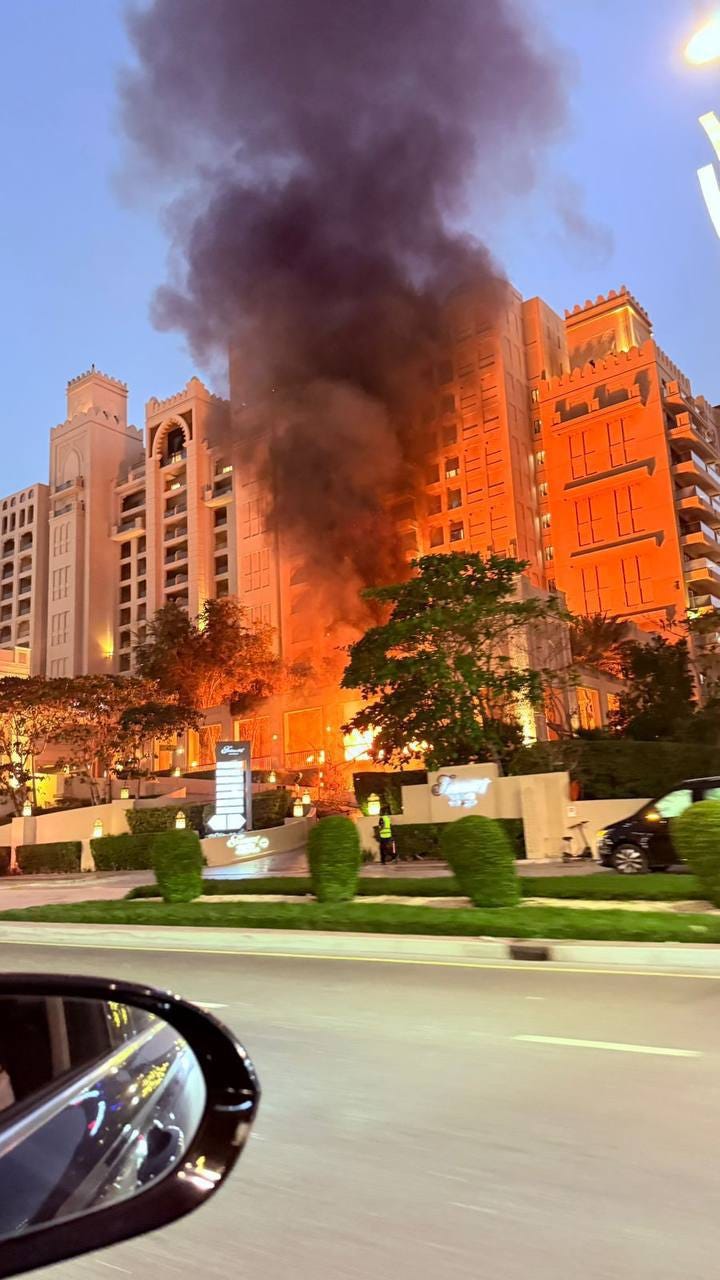
Iran Didn’t Just Hit Military Sites
It hit the UAE where it’s weakest. Its economy. Its reputation. Its carefully polished image of being the region’s safe haven. The country that built an entire identity around being open for business is now closed until further notice.
Passengers were told not to come to the airport. Cargo shipments froze. Conferences disappeared. Hotels scrambled. The whole machine that keeps Dubai’s global image alive ground to a halt.
Dubai’s shutdown isn’t just a logistical problem. It’s a symbolic one. The UAE has spent years insisting it’s the exception. That its skyscrapers, malls, and artificial islands somehow protect it from the region’s volatility. That money can buy immunity from geopolitics.
But missiles don’t care about branding. They don’t care about PR. They don’t care about the UAE’s fantasy of being the Switzerland of the Middle East.
The Global Fallout Is Only Getting Started
The longer the airspace stays closed, the more the world feels it.
Supply chains reroute
Cargo flights burn more fuel
Tourism collapses
Business travel disappears
Airlines lose money fast
Oil markets panic
Investors rethink the myth of Gulf stability
Dubai’s economy depends on constant motion. Constant arrivals. Constant departures. Constant circulation of people and capital. When the planes stop, the illusion stops with them.
And there’s a certain irony in watching a state obsessed with control lose control so completely. A place that built an empire on the idea of stability is now getting a crash course in what instability actually looks like.
Dubai didn’t just shut down. The myth of the UAE’s invincibility shut down with it.
It's absolutely amazing how Israel's blackmail and AIPAC's money can force us into attacking its enemies. Trump cancels the nuclear deal with Iran, giving up those controls and the inspections it featured. Now he uses Iran's uranium enrichment and missile sites (the ones he "completely destroyed" not so long ago) as an excuse to go to war. Another Epstein distraction.
It lived above the region it shits on