


Foreword
Manufacturing Dissent is honored to welcome Rana Shubair, a Palestinian author from Gaza whose work documents life under siege with honesty and depth. She has written several books and continues to write personal reflections that capture the daily reality of her city and her people. Rana’s voice is rooted in lived experience, resilience, and the refusal to let Gaza be erased.
Her writing speaks of longing — for peace, for freedom, for a life where love and humanity are allowed to breathe. She writes to preserve memory, to protect truth, and to remind the world of the people behind the headlines.
If you want to support Rana, you can do so by purchasing her books at rana-shubair.com
or by becoming a free or paid subscriber
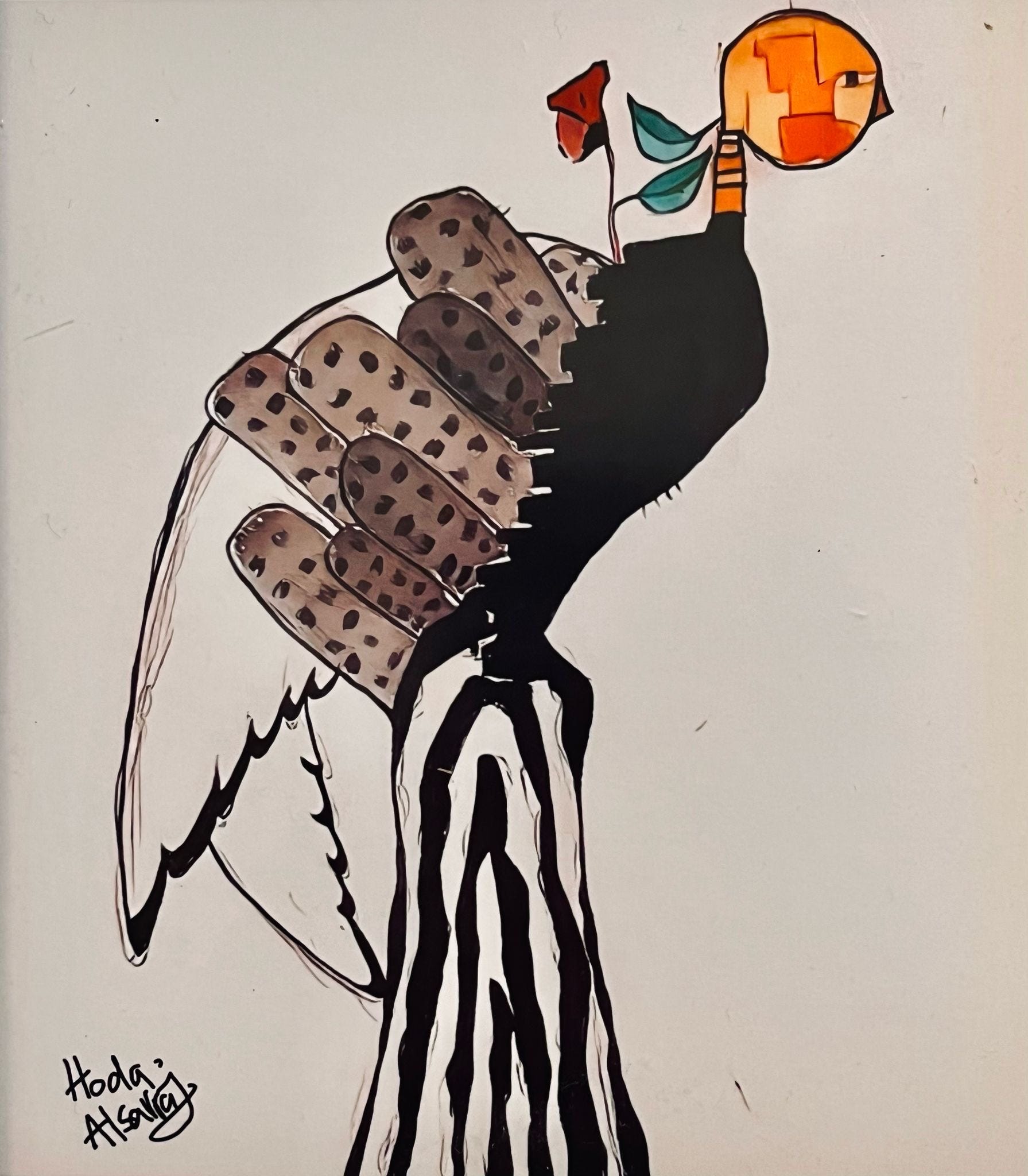
Maybe you don’t think much about that as you scroll through videos and images of a livestreamed genocide. Maybe when you see that a person is still alive, clean, and properly dressed, you think their life must be OK.
What you don’t see is what goes on behind the scenes.
The neat dress I’m wearing has been hand‑washed along with piles of laundry. Filling up water for washing is another story in and of itself. It begins with finding water, filling up buckets, and finally hauling them. Wash, rinse, and wring repeatedly. As I labor over the washing basin, I remember how back at home I used to sit and relax as my washing machine purred in the background, my brain oblivious to the various tasks it was doing so efficiently.
The hijab I’m wearing may be light and easy to wash, but have you thought about the burning detergent and the ensuing skin rash that follows? My mind wanders off to manicured fingernails and soft skin as I realize how damaged my hands are.
Beyond the scenes, even the smile I’m wearing is no longer second nature. I put a lot of effort into practicing being happy as I will my facial muscles to relax. Sometimes, when anxiety overtakes me and I can’t smile, I wear a mask to hide behind.
Survival in Gaza requires tremendous physical and mental strength that is not easily acquired. Since day one, I knew I had to stay composed to protect my mental well‑being. I needed to believe I had the power to overcome all the horrors I was facing so I wouldn’t collapse. I had to keep reminding myself that God is with me and that His mercy will envelop me and my family.
Being under constant threat has meant being on the run and living in any makeshift place or tent. The first thing that may come to your mind when I mention living in a tent is an enchanting camping trip — the image of pitching a tent on the beach or in the woods for fun and excitement. But the tents I’m talking about are the ones where your stay in them is overdue. Where summer heat is scorching and winter cold is bone‑chilling and can lead to being frozen to death. A tent where you stave off rodents and insects.
As I contemplate my status, I realize that my stay in this world is exactly like my stay in the tent — temporary and fleeting. That I can live with a scant amount of material needs and still survive. Images from my prewar life in my elegant apartment flash before me, and I realize how I’d lived in extravagant luxury. To have a decent wardrobe to choose from, and different rooms to sit in. I can’t help but feel the creases deepen in my forehead as I frown and wonder: why did I have so much stuff when it’s become evident that I can live with so much less?
Modern and convenient transportation has become a thing of the past. To get from one place to another, you have to brace yourself for an excruciating ride — a piece of hell. Short distances have turned into long, rough, and rugged journeys. I sit in cramped seats as my head bangs against the metal posts that hold the trailer (pulled by cars to fit more people in) together. A five‑minute ride can take up to thirty minutes, and you can do the math for longer rides. When I reach my destination, I have to persuade my muscles to cooperate as I try to get out of the seat because I’ve been sitting for so long on wood, torn leather, or worn‑out fabric with protruding metal.
Throughout the journey, a battle erupts between my body and my brain. As my muscles throb, fatigue overwhelms me, and my brain labors to stay alert and positive.
I have to endure until I get off.
I can do this.
I know I’ve loaded my backpack with too many things. But I’m sure my muscles have gotten stronger and I can carry it.
Tomorrow morning I know I’ll wake up to sore shoulder blades.
If Samih were here, he’d carry all this load and hold my hand too.
Amid this battle, a harsh fact hits me: I’m on my own in this act of survival. How did I get accustomed to being a loner? It’s been like this since my family was fragmented and separated. It’s not a new discovery — only another moment of sudden awareness.
Survival is a lonely path. It’s an enduring path just as rocky and bumpy as the car rides I take. A path I didn’t choose but found no way to evade. I embraced it so I could continue. The battle between my mind and body continues. My brain tells me to shun all grim ideas, to unsee the destruction. To close my eyes as I pass by a child trying to balance a pot of food bigger than their size. To close my eyes so I don’t get assaulted by the knotted features of a woman gripping two water containers, one in each hand, because the war has stolen not only her husband but her sons.
The trailer I’m riding in keeps jerking. I pass destroyed structures and houses, people with war‑engraved features, children doing the cruelest forms of labor… I put my head down and shut my eyes to protect my sanity. And when I open them again, I pretend that the images that passed weren’t there to begin with. That I had just scrolled past them the same way people do when they see us in Gaza. Or unsee us.
May you be safe.
Thanking you, Rana, is not enough. You are a vital part now of reshaping my 76 year old white American heart as the Gazan tragedy has been seen in its horrifying realities by millions of my peers. You are my sister; I will do what I can (must) do to make the future better for OUR siblings.